
Key Takeaways
Confirm ownership and legal authority before making major decisions. Review the deed, estate documents, will, mortgage information, and other records to determine who has authority over the inherited property.
If tenants already occupy the home, carefully review the existing rental arrangement. Gather the lease, tenant ledger, security deposit records, maintenance history, notices, and other documents before changing how the property is managed.
Inspect and document the property as soon as reasonably possible. Pay particular attention to deferred maintenance, moisture, drainage, HVAC systems, roofing, plumbing, and other issues common to Coastal Virginia homes.
Review the financial and tax picture before deciding whether to keep or sell. Inherited real estate generally receives a tax basis related to its fair market value at the date of the previous owner's death, subject to applicable federal rules.
Evaluate the property as an investment rather than making a decision based only on emotion. Compare rental income, operating expenses, repairs, insurance, flood exposure, management requirements, and potential sale proceeds.
Inheriting a rental property in Hampton Roads can create a valuable real estate opportunity, but it can also place someone in the landlord business without much preparation. A home in Virginia Beach, Norfolk, Chesapeake, Portsmouth, Suffolk, Hampton, or Newport News may come with an existing tenant, security deposit, mortgage, repair history, insurance requirements, and years of records that the new owner has never seen. The first priority should not necessarily be raising rent, remodeling the home, or putting it on the market. It should be understanding exactly what you inherited and what responsibilities come with it.
For Virginia landlords in 2026, that means confirming ownership, reviewing the existing tenancy, locating security deposit records, inspecting the property, checking insurance and flood exposure, understanding the tax basis, and calculating whether the home makes sense as a long-term rental. Once those pieces are organized, you can make a more informed decision about whether to keep the property, improve it, hire professional property management, or sell.
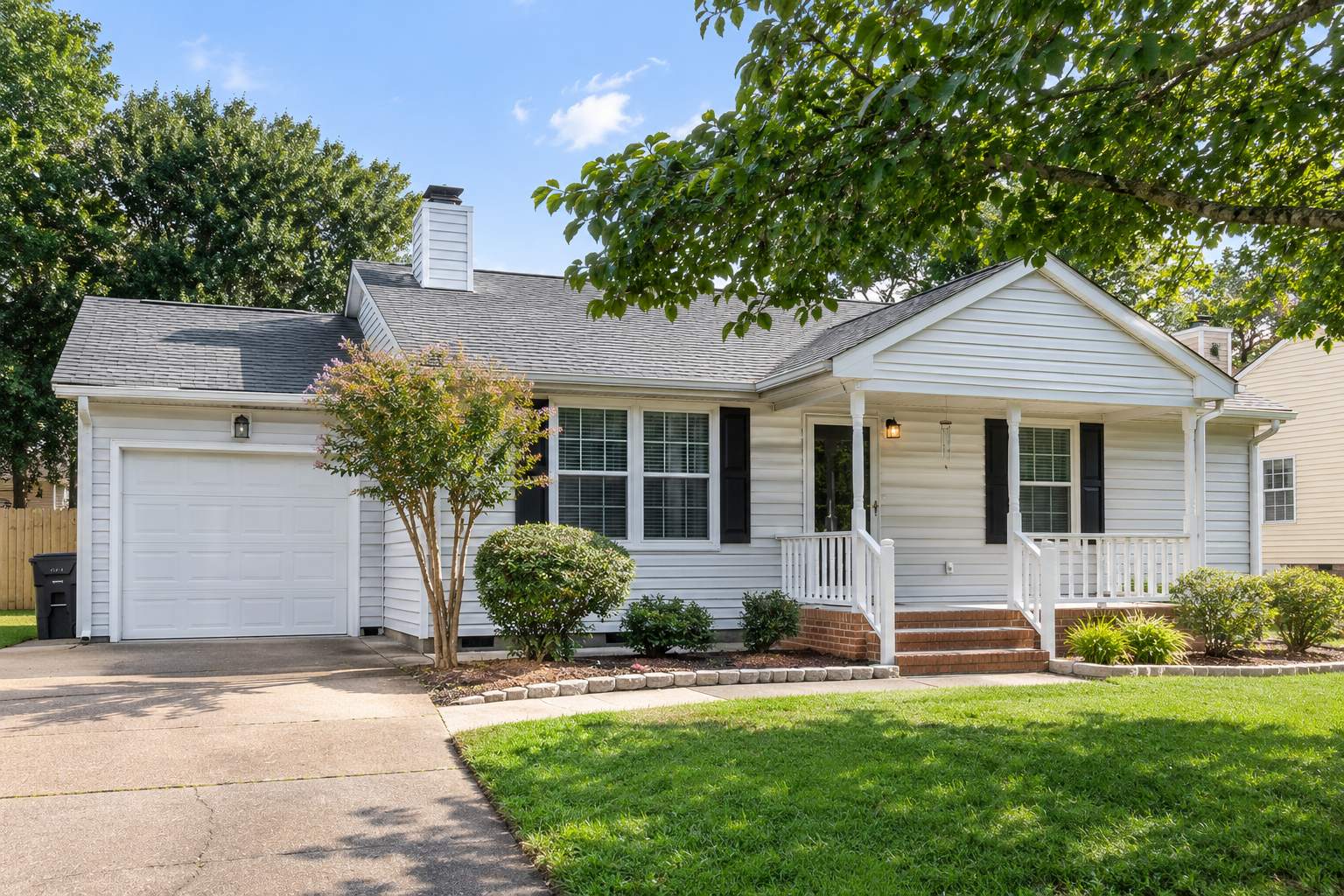
1. Confirm Ownership and Estate Authority
Before making major decisions about an inherited rental property, determine who legally owns the real estate and who currently has authority to act. How property passes after death can depend on several factors, including:
Whether the deceased owner had a valid will
How the property was titled
Whether another person was already on the deed
Whether the estate is being administered
Whether multiple heirs or beneficiaries have an ownership interest
Whether there are liens, mortgages, or other claims involving the property
Virginia law contains detailed rules covering wills, estates, personal representatives, heirs, and the transfer of property after death. When someone dies without a valid will disposing of the property, Virginia's intestate succession laws determine how real estate passes to heirs. The official Virginia Code on Wills, Trusts, and Fiduciaries is an important starting point for understanding the state's estate framework.
Gather Important Property and Estate Documents
Try to locate:
The will and relevant estate documents
Current deed
Mortgage statements
Home-equity loan information
Property tax records
Existing rental agreement
Security deposit documentation
Tenant payment history
Property management agreement, if applicable
Insurance policies
HOA or condominium documents
Utility information
Repair and maintenance records
Previous inspections or appraisals
Warranties for major systems or appliances
Virginia also provides specific procedures for documenting heirs and property when someone dies without a will. For example, Virginia Code § 64.2-510 addresses affidavits relating to real estate of an intestate decedent. If the title is unclear, several heirs are involved, or there is disagreement about the property, consider consulting a Virginia probate or real estate attorney before making major commitments.

2. Find Out Whether the Property Is Currently Rented
If someone already occupies the property as a tenant, treat the home as an active rental from the beginning. Do not make assumptions about the tenant's rights or your ability to change the existing arrangement without first reviewing the lease and applicable law.
Locate the entire rental file and review:
Names of tenants
Lease beginning and ending dates
Monthly rent
Rent due date
Security deposit amount
Utility responsibilities
Maintenance responsibilities
Pet provisions
Renewal language
Late fees
Notice requirements
Lease amendments
Move-in inspection reports
Prior notices or correspondence
Virginia residential rentals are generally governed by the Virginia Residential Landlord and Tenant Act. Landlords should familiarize themselves with the current Virginia Residential Landlord and Tenant Act before making decisions involving an existing tenancy.
Establish Clear Communication With the Tenant
Once you have confirmed that you have authority to manage the property, establish a clear point of contact. The tenant should know:
Who manages the property
Where rent should be sent
How maintenance requests should be submitted
How to contact the appropriate person for property-related questions
Virginia law requires certain information about the property's manager and owner or authorized representative to be disclosed and kept current. The statute states that these requirements extend to successor landlords and owners. Review Virginia Code § 55.1-1216 for the current requirements. Avoid making informal promises about rent increases, lease renewals, renovations, or move-out dates before reviewing the lease and Virginia law.
3. Track Down the Security Deposit
Security deposits are one of the most important records to locate when inheriting an occupied rental property. Do not assume the deposit is no longer your concern simply because someone else originally collected it. Under Virginia law, the holder of the landlord's interest at the end of a tenancy can be required to return a security deposit that is properly owed to the tenant, even when the original landlord did not transfer the deposit to the successor.
That makes security-deposit reconciliation an important early step. Determine:
The amount originally collected
Whether any deductions have already been documented
Where the funds are currently held
Whether the previous owner or property manager maintained a ledger
Whether there are move-in condition records
Whether the lease lists additional deposits or fees
Virginia generally limits residential security deposits to no more than two months' periodic rent. The state also imposes requirements for documenting deductions and disposing of the deposit after the tenancy ends. Review the complete requirements in Virginia Code § 55.1-1226. Do not create an assumed deposit balance based only on the lease. Reconcile the lease against available financial and management records whenever possible.
4. Inspect and Document the Property
An inherited house can look fine from the street while hiding years of deferred maintenance. A thorough inspection helps establish the property's current condition and gives the new owner a starting point for future maintenance decisions. Document the property using dated photographs, maintenance notes, invoices, estimates, and professional evaluations when necessary.
Pay Attention to Coastal Virginia Maintenance Issues
For Hampton Roads rental properties, inspect areas such as:
Roof and flashing
Gutters and downspouts
Grading around the foundation
Crawl space moisture
Plumbing leaks
Water heater
HVAC system
Electrical components
Windows and exterior doors
Exterior siding and trim
Bathroom ventilation
Visible mold or moisture
Drainage
Trees near the structure
Decks and railings
Fences
Smoke alarms
Appliances provided with the rental
Virginia landlords have statutory obligations involving the condition of residential rental premises. Among other requirements, landlords generally must comply with applicable building and housing codes affecting health and safety, make necessary repairs, maintain supplied electrical and plumbing systems, and address certain moisture and mold conditions. Review Virginia Code § 55.1-1220 for the current landlord maintenance requirements.
Do Not Enter an Occupied Rental Without Following Access Rules
If tenants occupy the home, inspections need to follow Virginia's landlord-access requirements. Virginia allows access for purposes such as inspections and necessary repairs, but the landlord must follow statutory requirements regarding consent, notice, emergencies, and reasonable access. For example, the law provides specific notice requirements for certain routine maintenance. Review Virginia Code § 55.1-1229 before scheduling access.

5. Investigate Flood and Drainage Risk
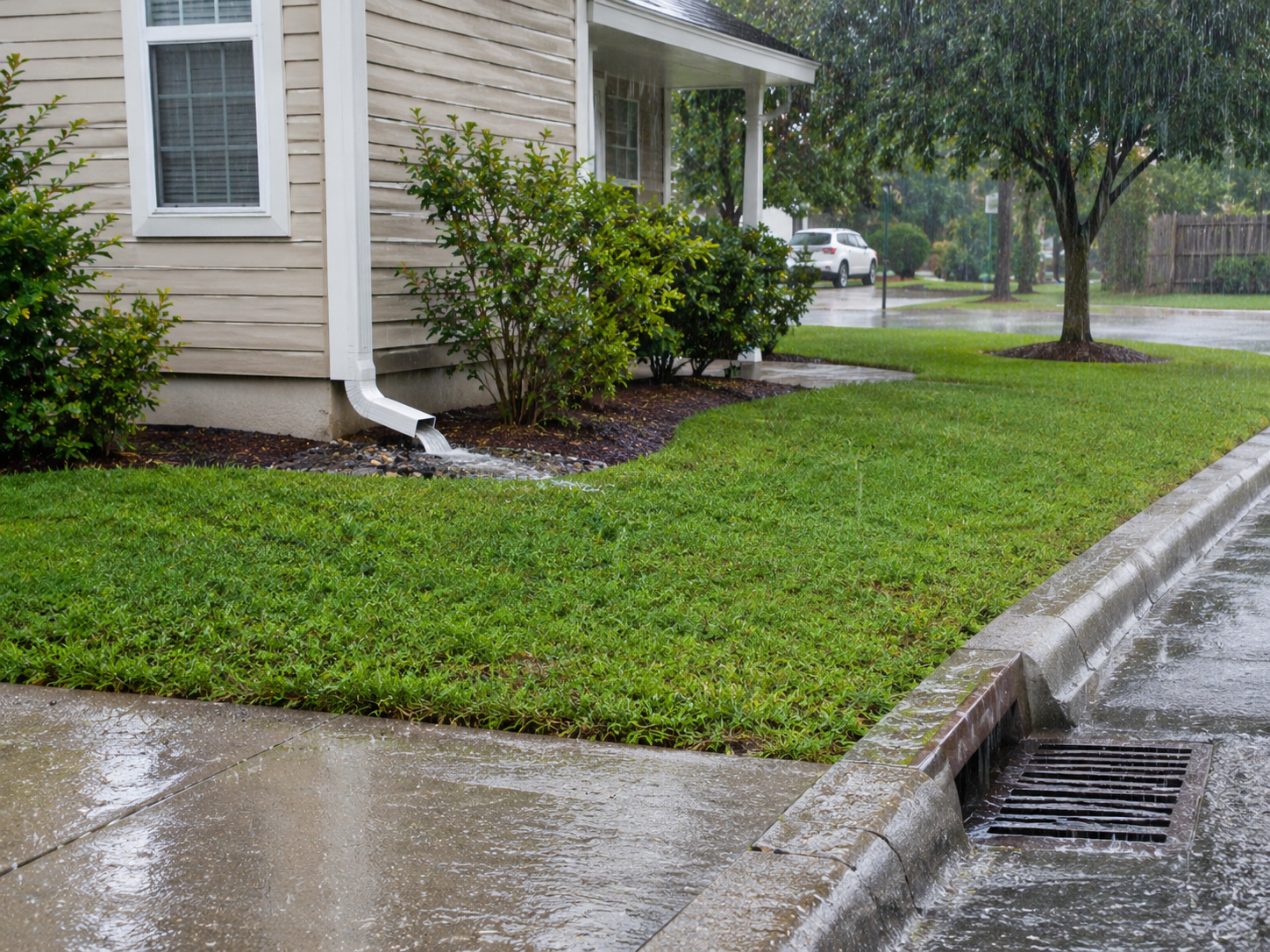
Flood exposure deserves extra attention when evaluating rental property in Hampton Roads. Coastal Virginia contains waterways, tidal areas, low-lying neighborhoods, stormwater systems, and areas where heavy rainfall can create drainage concerns.
A property does not have to sit directly beside the Chesapeake Bay or Atlantic Ocean to experience water-related problems. Review:
The property's FEMA flood zone
Existing flood insurance
Previous water intrusion, if known
Drainage around the foundation
Crawl space moisture
Elevation of HVAC equipment
Nearby drainage ditches or canals
Past flood-related repairs
Mortgage flood-insurance requirements
The FEMA Flood Map Service Center is the federal government's official source for flood hazard mapping. Property owners can search by address and review available Flood Insurance Rate Map information. Remember that being outside a high-risk mapped flood zone does not mean a property has zero flood risk.
Review Flood Insurance Separately From Property Insurance
Standard property insurance does not automatically protect against every type of flood loss. The Virginia State Corporation Commission provides consumer guidance explaining flood coverage and the National Flood Insurance Program. Review the Virginia SCC Homeowners Insurance Guide when evaluating coverage.
6. Update the Insurance
Do not simply assume the deceased owner's existing policy is sufficient. Contact the insurance carrier or a qualified insurance professional and explain the current situation, including that the property has been inherited and is being used as a rental. Ask about:
Correct ownership information
Rental-property coverage
Liability coverage
Replacement cost
Wind exposure
Water or sewer backup
Flood insurance
Detached structures
Loss of rental income
Vacancy provisions
Deductibles
Required inspections
A policy designed for an owner-occupied home may not provide the same protection needed for a property operated as a rental. Also review whether the current lease addresses renters insurance for the tenant.
7. Establish the Property's Tax Basis
Tax basis can significantly affect the financial decision surrounding an inherited rental. Under federal tax rules, the basis of inherited property is generally its fair market value on the date of the previous owner's death. Different rules can apply in certain circumstances, including when an estate uses an alternate valuation date. The IRS explains inherited-property basis in IRS Publication 551, Basis of Assets.
This number can affect:
Future capital gain calculations
Depreciation
The financial consequences of a later sale
Your assessment of the investment's return
Consider obtaining documentation supporting the property's value as of the applicable valuation date. Depending on the circumstances, that might involve a qualified appraisal or another valuation method recommended by your tax professional. Do not automatically use the deceased owner's original purchase price as your basis.
Understand Rental Depreciation
If you continue operating the property as a rental, depreciation becomes another important consideration. Rental-property tax rules can involve:
Depreciable basis
Land versus building value
Improvements
Repairs
Rental expenses
Property placed-in-service dates
The IRS provides detailed guidance in IRS Publication 527, Residential Rental Property. Because inherited-property basis and depreciation can interact in complicated ways, consider consulting a CPA or tax professional familiar with rental real estate before filing returns or making a major sale decision.
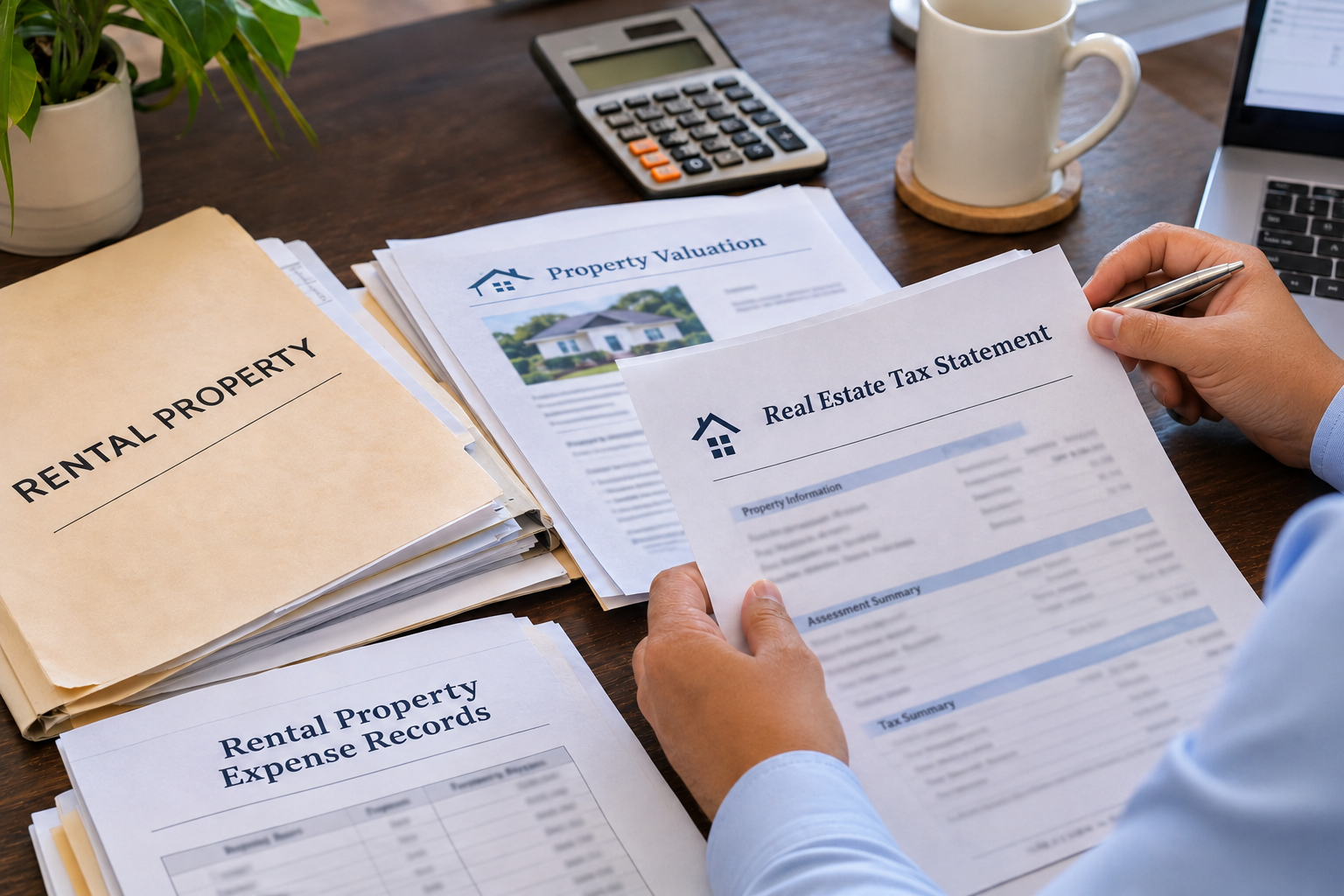
8. Reconstruct the Rental's Actual Financial Performance
Once the immediate legal and maintenance issues are under control, determine what the property actually earns. Do not judge profitability based solely on monthly rent. Start with gross rental income and subtract realistic operating and ownership expenses.
These may include:
Mortgage payments
Property taxes
Insurance
HOA or condominium fees
Routine repairs
Preventive maintenance
Landscaping
Pest control
Utilities paid by the owner
Property management
Vacancy
Leasing expenses
Capital reserves
If records are available, review at least the previous 12 months rather than relying on one or two recent months.
Plan for Major Repairs
An inherited property may have repair needs that were postponed for years. Create a separate list for capital expenses such as:
Roof replacement
HVAC replacement
Water heater
Major plumbing work
Electrical updates
Crawl space repairs
Windows
Exterior siding
Deck replacement
Drainage correction
A rental can appear profitable on paper while being financially weak if major repairs have not been included in the analysis. For example, $400 per month in apparent cash flow looks very different if the property needs a roof, HVAC system, and substantial moisture repairs within the next few years.

9. Check Whether the Home Was Built Before 1978
Hampton Roads has a large inventory of older residential properties. If the inherited rental was built before 1978, review federal lead-based paint requirements. For most covered pre-1978 housing, landlords are required to provide certain information to tenants before a lease is signed, including known information about lead-based paint hazards and available records or reports.
The U.S. Environmental Protection Agency also requires provision of the federal lead information pamphlet and appropriate disclosure language for covered properties. Review the EPA's Lead-Based Paint Disclosure Guidance. Do not assume that old rental files automatically contain every required disclosure. Review the documentation you inherited.
10. Review Fair Housing Compliance
If you continue operating the home as a rental, Virginia fair housing requirements need to be part of your leasing process. Virginia's protected classes currently include:
Race
Color
Religion
National origin
Sex
Elderliness
Familial status
Disability
Source of funds
Sexual orientation
Gender identity
Military status
The Virginia Fair Housing Office provides current guidance for housing providers. This is particularly important in Hampton Roads because the region includes a large military population, and military status is expressly protected under Virginia fair housing law.
Keep Rental Advertising Focused on the Property
When advertising a vacancy, describe the property rather than the type of person you think should live there. For example, focus on:
Number of bedrooms and bathrooms
Updates
Parking
Storage
Outdoor features
Included appliances
Lease terms
Property amenities
Avoid language that communicates a preference for or against a protected group. Virginia DPOR provides specific Fair Housing Advertising Guidance for housing providers. Use consistent qualification standards and document your applicant-screening procedures.
11. Decide Whether to Keep, Improve, or Sell
After the legal, physical, and financial review is complete, evaluate the inherited property objectively. There are usually three primary paths.
Option 1: Keep the Property as a Rental
Continuing to rent the property may make sense when:
Rental income supports the operating costs
The home is in reasonable condition
Major repair needs are manageable
There is adequate cash reserve
The property fits your investment goals
You are comfortable owning rental real estate
Professional management can handle the day-to-day work if needed
Do not base this decision solely on the fact that the property has no mortgage or was inherited without a purchase cost. The property still has value, and tying significant equity up in a rental has an opportunity cost.
Option 2: Make Strategic Improvements
If the property is fundamentally sound but outdated or poorly maintained, improvements may strengthen its long-term performance. Prioritize:
Health and safety
Habitability
Water and moisture issues
Major mechanical systems
Preventive maintenance
Durable rental finishes
Cosmetic improvements
Possible projects include:
Roof repairs
HVAC replacement
Plumbing improvements
Drainage corrections
Interior painting
Durable flooring
Updated lighting
Appliance replacement
Exterior repairs
Avoid making expensive improvements simply because you personally prefer them. Improvements to an investment property should have a clear purpose related to condition, durability, rental performance, or resale.
Option 3: Sell the Property
Selling may make sense when:
Several heirs want to divide the estate
Major repairs are required
Rental cash flow is weak
The property carries substantial debt
You live far from Hampton Roads
You do not want landlord responsibilities
The property does not fit your investment goals
The potential sale proceeds could be used more effectively elsewhere
Before deciding, compare the expected rental return with the property's current market value and estimated net proceeds from a sale. A tax professional can help estimate the tax consequences based on your inherited basis and individual circumstances.

12. Decide Whether You Want to Manage It Yourself
Owning rental property involves more than collecting rent. A landlord may need to handle:
Tenant communication
Rent collection
Lease administration
Maintenance requests
Emergency repairs
Inspections
Vendor coordination
Rental advertising
Applicant screening
Security deposit documentation
Lease renewals
Financial records
Move-in and move-out procedures
For someone who inherited a rental unexpectedly, the workload can be significant. Professional property management may be particularly useful when:
You live outside Hampton Roads
Several family members jointly inherited the property
You have limited experience with Virginia landlord laws
You do not have established local vendors
The home already has tenants
You want the property operated more like an investment and less like a personal project
A property management company can also help establish organized records after an ownership transition. When comparing companies, ask about management fees, leasing services, maintenance authorization, inspection procedures, tenant communication, financial statements, and how security deposits are handled.
A First-30-Days Checklist for an Inherited Hampton Roads Rental
The first month does not need to solve every long-term question. It should establish control, records, safety, and a clear picture of the investment.
Week 1: Establish Ownership and Gather Records
Confirm legal ownership and authority
Locate estate documents
Obtain the deed
Find the lease
Locate the tenant ledger
Review mortgage information
Find insurance policies
Locate security deposit records
Gather HOA or condominium information
Week 2: Understand the Existing Tenancy
Review the full lease
Verify rent amount and payment history
Confirm tenant contact information
Establish the correct management contact
Review outstanding maintenance requests
Check security deposit documentation
Week 3: Evaluate the Property
Conduct a properly scheduled inspection
Photograph current condition
Identify urgent repairs
Review roof, HVAC, plumbing, and electrical systems
Check drainage and moisture
Review FEMA flood information
Confirm insurance coverage
Obtain repair estimates where necessary
Week 4: Analyze the Investment
Calculate realistic rental income
Total operating expenses
Estimate major upcoming repairs
Establish the inherited tax basis with professional guidance
Evaluate market value
Compare keeping, improving, and selling
Determine whether professional management makes sense
Taking several weeks to gather accurate information is often better than making an irreversible decision immediately after inheriting the property.
Final Takeaway
Inheriting a rental property in Hampton Roads means inheriting more than a house. You may also inherit an existing landlord-tenant relationship, security deposit obligations, maintenance needs, insurance decisions, financial records, and a real estate investment that needs to be evaluated on its own merits.
Start by establishing who owns and controls the property. Then review the lease, tenant records, security deposit, physical condition, insurance, flood exposure, maintenance history, taxes, and financial performance.
For Virginia landlords in 2026, careful documentation matters. Virginia's landlord-tenant laws, habitability requirements, access rules, security deposit requirements, fair housing protections, and federal disclosure obligations can all affect how an inherited rental should be handled.
Once the immediate responsibilities are organized, decide whether the property genuinely supports your financial goals. If the home has sustainable cash flow, manageable repair needs, and fits your investment strategy, keeping it as a rental may provide long-term income and equity potential. If the property requires substantial capital, creates management challenges, or does not produce an adequate return compared with its value, improving or selling it may make more sense.
The most important first step is not choosing between renting and selling. It is gathering enough reliable information to understand what you own, what responsibilities came with it, and what the property can realistically contribute to your long-term financial goals.