
Key Takeaways
Improving rental cash flow is not only about increasing rent. Reducing vacancy, controlling expenses, preventing costly repairs, and retaining reliable tenants can have an equally important impact on profitability.
Hampton Roads continues to demonstrate rental demand in 2026, but landlords should price individual properties based on comparable rentals, location, condition, amenities, and current competition rather than regional averages alone.
Preventive maintenance is especially important in Coastal Virginia, where humidity, heavy rain, drainage concerns, storms, and intensive HVAC use can turn minor property issues into expensive repairs.
Virginia landlords need to understand the Virginia Residential Landlord and Tenant Act before changing lease terms, collecting certain fees, handling security deposits, entering occupied properties, or addressing nonpayment of rent.
Investors should measure rental performance using net cash flow, not gross rent alone. Vacancy, insurance, taxes, maintenance, management, financing, turnover, and future capital expenses all affect the actual return.
A rental property can generate strong monthly rent and still produce disappointing cash flow. The difference between gross rental income and what an owner actually keeps depends on vacancy, financing, repairs, insurance, property taxes, tenant turnover, management expenses, and dozens of smaller operating costs.
For landlords and investors in Virginia Beach, Norfolk, Chesapeake, Portsmouth, Suffolk, Hampton, Newport News, and surrounding Coastal Virginia communities, improving rental cash flow requires more than simply charging higher rent. Successful rental ownership depends on increasing revenue where appropriate while controlling expenses and protecting the long-term condition of the property.
That is especially relevant in 2026. According to Virginia REALTORS, Hampton Roads recorded the highest multifamily net absorption among Virginia metropolitan areas during the third quarter of 2026, with 932 more units leased than vacated. The organization also reported that Hampton Roads effective rents increased 5.7 percent from the previous year.
Those regional numbers suggest continued rental demand, but they should not be interpreted as permission to raise every property's rent by the same percentage. Rental performance can vary considerably by neighborhood, property type, condition, size, amenities, and price range.
Landlords should instead focus on the factors they can control.
1. Calculate Your True Rental Cash Flow
The first step toward improving cash flow is understanding what the property actually earns.
A simple calculation is:
Rental Income - Operating Expenses - Debt Payments = Cash Flow
However, looking only at monthly bills can create an overly optimistic picture.
Include Irregular Expenses
A thorough rental-property budget should consider:
Mortgage payments
Property taxes
Landlord insurance
Property management fees
HOA or condominium fees
Repairs and maintenance
Landscaping
Pest control
Owner-paid utilities
Vacancy
Leasing expenses
Turnover costs
Capital improvements
Accounting expenses
Legal expenses
Flood insurance when applicable
For example, suppose a rental generates $2,400 per month and regular expenses total $1,900. On the surface, the property appears to produce $500 in monthly cash flow. That equals $6,000 annually.
But if the property requires $3,000 in unexpected repairs and sits vacant for one month, much of that apparent profit disappears. This is why investors should evaluate cash flow over an entire year rather than relying on one or two profitable months.
Track Each Property Separately
Landlords with multiple rental properties should maintain individual income and expense records for each property. Otherwise, a profitable rental can hide losses from an underperforming property. Individual tracking makes it easier to determine whether a property needs:
A rent adjustment
Lower operating expenses
Preventive maintenance
Renovations
Better tenant retention
Different management
A refinancing evaluation
A long-term hold or sale analysis

2. Make Sure Rent Reflects the Current Market
Underpricing a rental property reduces income every month. If a property is rented $100 below an appropriate market rate, that represents $1,200 in potential gross income over a year. However, overpricing can create an even greater problem "Vacancy".
An occupied property priced slightly below the maximum possible rent may produce more annual cash flow than an aggressively priced property that remains vacant.
Study Comparable Rentals
Before setting rent for a vacant property or offering a lease renewal, compare similar available and recently rented properties. Consider factors such as:
Neighborhood
Property type
Bedrooms and bathrooms
Square footage
Renovation level
Garage and parking
Outdoor space
Appliances
Included utilities
Community amenities
Overall property condition
A three-bedroom home in Virginia Beach should not automatically be compared with every three-bedroom rental in the city. The most useful comparable properties are those competing for a similar tenant at approximately the same time.
Think in Terms of Annual Revenue
Suppose a landlord raises monthly rent from $2,200 to $2,300. If the property remains occupied for 12 months, the increase generates an additional $1,200 in gross annual rent. But if the higher price contributes to one month of vacancy, the landlord could lose approximately $2,300 in rental income before accounting for cleaning, repairs, utilities, advertising, and turnover costs.
Instead of asking, "What is the highest rent I can charge?"
ask: What rental rate is most likely to maximize sustainable annual income?
3. Reduce Vacancy
Vacancy can quickly damage rental cash flow. A property renting for $2,200 per month generates approximately $73 in gross rent per day. Ten unnecessary vacant days can therefore represent more than $700 in lost rental income. Reducing downtime between tenants should be a major priority.
Start Renewal Discussions Early
Do not wait until the final days of a tenancy to determine whether a tenant plans to renew. Early renewal planning gives landlords time to:
Review current market rent
Discuss renewal options
Plan maintenance
Prepare advertising
Schedule photography
Coordinate showings
Plan turnover work
Virginia landlords should review both their lease and applicable state law before sending termination or renewal notices. Under Virginia Code § 55.1-1253, a month-to-month tenancy generally may be terminated with written notice at least 30 days before the next rent due date unless the rental agreement establishes a different notice period. Special provisions can apply in certain multifamily situations.
Plan Turnover Before Move-Out
When appropriate, determine likely turnover needs before the property becomes vacant. Potential work may include:
Painting
Flooring repairs
Landscaping
Cleaning
Appliance repairs
Exterior maintenance
Safety corrections
Having vendors, materials, and schedules ready can reduce the time between the previous tenant leaving and the next tenant moving in.

4. Improve Tenant Retention
Finding a replacement tenant can involve advertising, showings, screening, lease preparation, cleaning, repairs, utilities, and lost rent. Retaining a responsible tenant can therefore have significant financial value.
Respond to Maintenance Requests Promptly
Tenant retention does not necessarily require expensive upgrades, consistency matters. Landlords should:
Communicate clearly.
Address maintenance promptly.
Maintain essential property systems.
Provide clear payment procedures.
Keep shared areas properly maintained.
Give tenants reasonable notice when access is required.
Virginia law places specific maintenance obligations on residential landlords. Virginia Code § 55.1-1220 requires landlords to maintain rental premises in fit and habitable condition and keep supplied electrical, plumbing, sanitary, heating, ventilation, air-conditioning, and other facilities and appliances in good and safe working order. Proper maintenance therefore supports both legal compliance and the long-term financial performance of the property.
5. Prevent Small Maintenance Problems From Becoming Major Expenses
Deferred maintenance can improve short-term cash flow while damaging long-term profitability. A $200 problem that is ignored can become a $2,000 problem. Coastal Virginia properties require particular attention because of humidity, rainfall, drainage, coastal weather, and heavy summertime HVAC use.
Monitor Moisture and Water Intrusion
Regularly inspect areas such as:
Roofs
Gutters
Downspouts
Crawl spaces
Bathrooms
Plumbing connections
Windows
Exterior doors
Water heaters
HVAC condensate lines
Grading around the home
Virginia's landlord maintenance requirements also specifically address moisture accumulation and visible mold. A small plumbing leak repaired early may require a simple service visit. The same leak left unnoticed can damage drywall, cabinets, flooring, insulation, and other building materials.
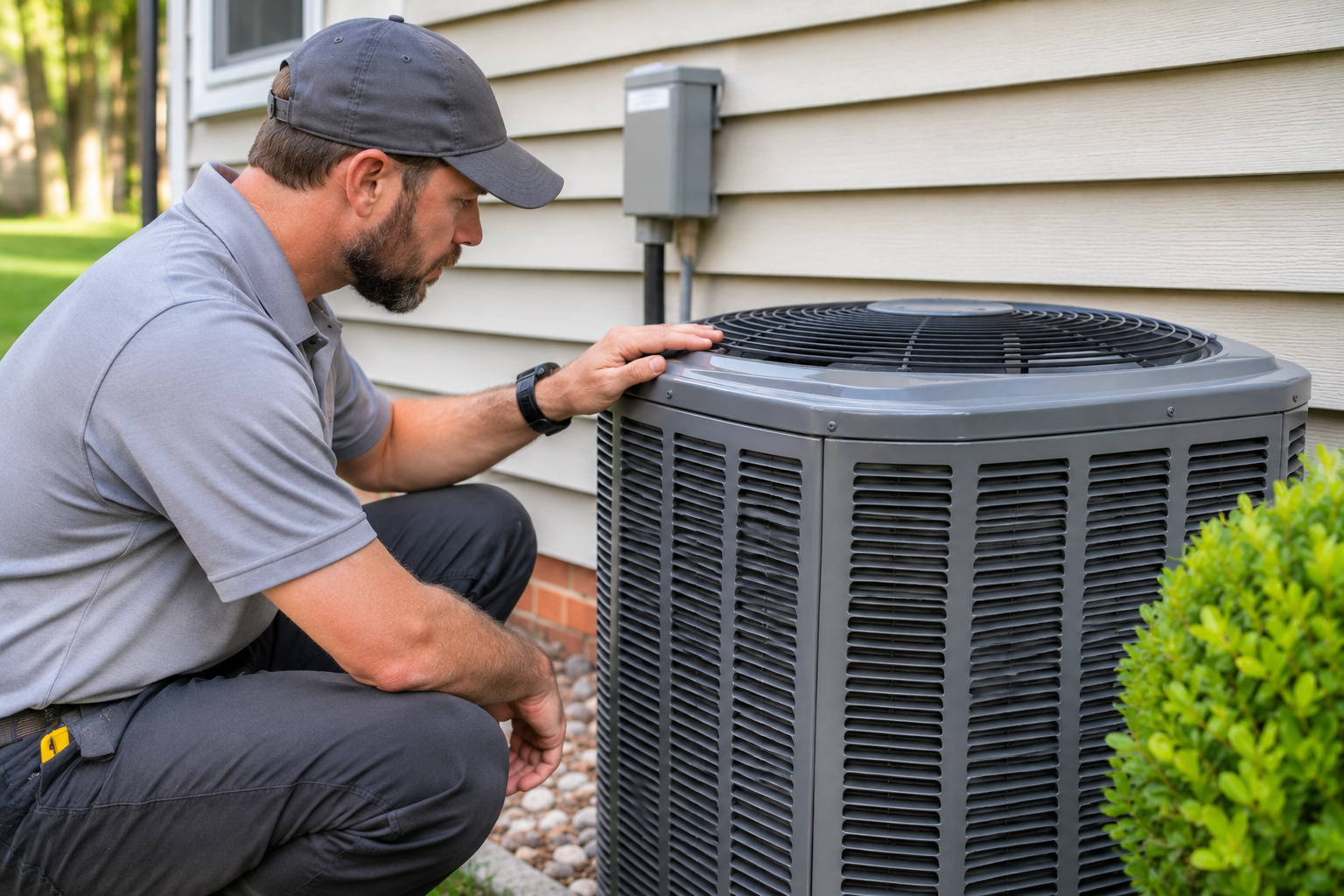
Maintain HVAC Systems
Air-conditioning systems can work heavily during hot and humid Coastal Virginia summers. Preventive inspections may identify:
Clogged condensate drains
Dirty coils
Airflow problems
Electrical issues
Aging components
Refrigerant concerns
Preventive maintenance cannot eliminate every breakdown, but it can reduce the likelihood that routine issues turn into costly emergency service calls.
6. Review Insurance Costs and Coverage
Insurance is an important operating expense for rental-property owners, especially in coastal areas. Do not automatically renew coverage each year without reviewing it. Examine:
Annual premium
Deductibles
Dwelling coverage
Liability limits
Loss-of-rent coverage
Wind-related provisions
Flood exposure
Major exclusions
The Virginia State Corporation Commission reminds consumers that standard homeowners, renters, and commercial insurance policies typically do not cover damage caused by flooding, surface water, or storm surge. Flood insurance may be available through the National Flood Insurance Program or private insurance companies.
For Coastal Virginia investors, insurance decisions should consider both cost and coverage. A cheaper policy is not necessarily a better financial decision if it creates a larger uncovered risk.
7. Monitor Property Taxes
Real estate taxes should be included in every rental cash-flow calculation. According to Virginia Tax, real estate taxes in Virginia are local taxes administered by cities, counties, and towns, and rates vary by locality. That means a rental property's tax burden can differ depending on whether it is located in Virginia Beach, Norfolk, Chesapeake, Portsmouth, Suffolk, Hampton, Newport News, or another Virginia jurisdiction.
Owners should review assessments regularly and confirm that:
Property information is accurate.
They understand the current assessment.
They know the applicable local tax rate.
They understand available appeal procedures.
Future tax changes are included in cash-flow projections.
When evaluating an investment property, do not rely exclusively on expenses reported by the previous owner. Create your own operating projections using current information.
8. Build a Capital Expenditure Reserve
Major systems eventually need replacement. A landlord should not be financially surprised when a roof, HVAC system, or water heater reaches the end of its useful life. Common capital expenses include:
Roof replacement
HVAC systems
Water heaters
Major plumbing work
Electrical upgrades
Windows
Exterior siding
Flooring
Major appliances
Decks and fences
Suppose an owner expects an HVAC system to cost approximately $8,000 to replace and estimates replacement may be necessary in four years. Saving about $167 per month would build approximately $8,000 over 48 months. The correct reserve amount varies by property, but regularly setting money aside can prevent a major repair from eliminating several months of cash flow.
9. Review Recurring Expenses
Small recurring costs can significantly affect portfolio profitability. Periodically review expenses such as:
Landscaping
Pest control
HOA fees
Property management
Home warranties
Utilities
Trash service
Maintenance contracts
Accounting software
Banking fees
An unnecessary $40 monthly expense equals $480 annually. Across ten rental properties, similar savings could total $4,800 per year. However, landlords should distinguish between unnecessary spending and expenses that protect the property.
Eliminating preventive maintenance simply to reduce short-term costs can create larger expenses later. The goal is not to spend as little as possible. The goal is to spend efficiently.
10. Understand Virginia Rules Before Adding Fees
Additional rental charges should be lawful, clearly documented, and consistently administered. For example, Virginia Code § 55.1-1204 states that landlords may not charge a late fee unless the charge is included in the written rental agreement.
The late charge cannot exceed the lesser of:
10 percent of the periodic rent, or
10 percent of the remaining balance due and owed.
Virginia law also contains requirements concerning payment methods and certain processing fees. Landlords should not add miscellaneous fees simply because they have seen another property owner use them. Before implementing a charge, determine whether it is permitted under Virginia law and properly addressed in the rental agreement.
11. Handle Security Deposits Properly
Security deposits can help protect landlords from certain financial losses, but they are not ordinary rental income. Under Virginia Code § 55.1-1226, a residential landlord generally cannot demand a security deposit exceeding two months' periodic rent. Virginia law also generally requires the landlord to provide written itemization of deductions and any amount due to the tenant within 45 days after the tenancy terminates or the tenant vacates the dwelling, whichever occurs later.
Additional rules can apply in particular circumstances, such as outstanding utility balances or repairs requiring third-party contractors. Accurate move-in and move-out documentation can help landlords identify legitimate property damage and distinguish it from reasonable wear and tear.

12. Improve Rent Collection Systems
Reliable collection procedures contribute to predictable cash flow. A good rent-management system can provide:
Online payments
Automatic reminders
Payment histories
Electronic records
Current tenant balances
Consistent follow-up procedures
Landlords must also understand current Virginia requirements concerning nonpayment. Under Virginia Code § 55.1-1245, if rent remains unpaid when due, Virginia law generally requires written notice giving the tenant 14 days to pay before the landlord may terminate the rental agreement and proceed toward obtaining possession.
Additional requirements apply to certain landlords who own more than four rental dwelling units or qualifying interests in more than four units, including payment-plan requirements in specified circumstances. Because nonpayment procedures are legally sensitive, landlords should use current Virginia requirements rather than relying on older notices, forms, or practices.
13. Use Routine Inspections to Protect the Property
Regular property inspections can help identify minor issues before they become expensive emergencies. Virginia law permits landlords to access rental units for legitimate purposes such as inspections, repairs, improvements, and maintenance, subject to applicable rules. Under Virginia Code § 55.1-1229, landlords generally must provide notice of their intent to enter except in emergencies or when doing so would be impractical.
For routine maintenance that has not been requested by the tenant, the law generally requires at least 72 hours' notice unless giving that notice is impractical. During inspections, landlords or property managers can look for:
Plumbing leaks
Water damage
HVAC problems
Pest activity
Moisture
Roof concerns
Drainage problems
Smoke alarm issues
Damaged flooring
Exterior maintenance needs
Inspections should be professional, reasonable, and focused on legitimate property-management needs.
14. Screen Applicants Consistently and Legally
Tenant screening can have a major impact on rental performance. Establish written screening standards based on lawful and relevant factors such as:
Verifiable income
Rental history
Credit standards
Applicant documentation
Ability to meet lease obligations
Apply those standards consistently. The Virginia Fair Housing Law prohibits housing discrimination based on protected characteristics including race, color, religion, national origin, sex, elderliness, familial status, source of funds, sexual orientation, gender identity, military status, and disability. Rental qualification policies should therefore remain objective, consistently applied, and related to legitimate tenancy requirements.
15. Understand the Tax Side of Rental Ownership
Rental cash flow and taxable rental income are not necessarily the same. The IRS provides guidance on rental income, expenses, depreciation, repairs, improvements, and other tax issues in Publication 527, Residential Rental Property.
Depending on the circumstances, qualifying rental-property expenses can include items such as:
Advertising
Insurance
Management expenses
Repairs
Property taxes
Professional services
Certain travel expenses
Utilities
Depreciation
The tax treatment of an expense can depend on whether it is classified as a repair, improvement, operating expense, or capital expenditure. Owners should maintain organized records and consult a qualified tax professional about their individual situation.
16. Evaluate Property Management Based on Net Performance
Some rental owners hesitate to hire professional property management because they focus exclusively on the management fee. The better financial question is: How does professional management affect the property's overall net performance?
A property management company may help with:
Rental pricing
Advertising
Showing coordination
Applicant screening
Lease administration
Rent collection
Maintenance coordination
Routine inspections
Renewal management
Turnover preparation
Property documentation
For owners who live outside Coastal Virginia, manage multiple rentals, have limited time, or repeatedly struggle with vacancies and maintenance coordination, professional management may improve operational efficiency. The cost of management should be compared with the potential costs of vacancy, delayed repairs, poor documentation, inconsistent collections, and inefficient turnover.

17. Measure Performance Over a Full Year
Do not judge a rental property's profitability based on its best month. Review at least 12 months of operating performance.
Occupancy Rate
How much of the year was the property occupied?
Collected Rent
How much rent was actually collected compared with the amount scheduled?
Maintenance Cost
How much was spent on routine and emergency repairs?
Turnover Cost
How much did cleaning, repairs, utilities, marketing, and vacancy cost between tenants?
Net Cash Flow
How much money remained after expenses and debt payments?
Capital Reserves
How much was set aside for future major repairs?
Renewal Rate
How often are responsible tenants choosing to remain? Tracking these numbers provides a much clearer picture of rental performance than simply comparing monthly rent with the mortgage payment.
Final Takeaway
Improving rental cash flow in Coastal Virginia rarely comes from one dramatic change. Stronger rental performance is often created through several smaller improvements working together: accurate pricing, lower vacancy, responsible tenant retention, preventive maintenance, controlled operating expenses, appropriate insurance, reliable rent collection, capital reserves, and compliance with Virginia landlord-tenant law.
Hampton Roads continues to demonstrate rental demand in 2026, but a healthy regional rental market does not guarantee that every investment property will perform well. The profitability of an individual rental still depends on the purchase price, financing, rent, location, operating costs, property condition, vacancy, maintenance, and management.
Landlords and investors should review each property regularly and ask:
Is this rental producing the strongest sustainable net return it reasonably can?
If the answer is no, determine where cash flow is being lost.
It may be through prolonged vacancy, below-market pricing, excessive turnover, deferred maintenance, rising insurance, unnecessary recurring expenses, poor collection procedures, or inefficient management.
For landlords and investors throughout Virginia Beach, Norfolk, Chesapeake, Portsmouth, Suffolk, Hampton, Newport News, and the broader Coastal Virginia region, identifying and correcting those weaknesses can help improve current cash flow while protecting the property's long-term value.
This article is intended for general informational purposes only and does not constitute legal, tax, insurance, financial, or investment advice. Virginia property owners should consult appropriate licensed professionals regarding their individual circumstances.