
Key Takeaways
A low-maintenance rental is not a property that never needs repairs. It is one with predictable systems, durable materials, and fewer recurring maintenance problems.
Simple construction, accessible plumbing and HVAC equipment, good drainage, durable flooring, and manageable landscaping can make a rental easier and less expensive to operate.
Virginia landlords still have legal responsibilities to keep rental properties fit, habitable, and properly maintained, even when the goal is to minimize maintenance costs.
Flood exposure, older building systems, pre-1978 construction, septic systems, complicated landscaping, and deferred maintenance can increase the workload and financial risk for investors.
Investors should consider the property's total expected maintenance and replacement costs, not just its purchase price, rent potential, or cosmetic appearance.
For rental property investors, the term “low maintenance” can be misleading. No house, condominium, or townhome is truly maintenance-free. Roofs age, HVAC systems need servicing, plumbing fixtures eventually leak, appliances wear out, and rental turnovers create normal repair and cleaning expenses. A genuinely low-maintenance rental is one that is relatively predictable to own. Its major systems are accessible, its materials can tolerate normal rental use, water is managed effectively, replacement parts are easy to find, and the property does not require constant specialized attention.
For landlords investing in Virginia, this matters even more because maintenance is not simply a financial decision. Landlords have specific responsibilities under Virginia law to maintain rental housing and keep essential systems operating safely. The goal, therefore, is not to eliminate maintenance. It is to choose and operate a property where maintenance is easier to anticipate, budget for, and manage.
What Does “Low Maintenance” Mean for a Rental Property?
A low-maintenance rental typically combines three qualities:
Durability: Materials and systems can withstand ordinary use without frequent replacement.
Simplicity: Repairs do not require unusual equipment, specialty contractors, or hard-to-find components.
Predictability: The landlord can reasonably anticipate maintenance and capital expenses.
A newer property may offer these benefits, but age alone does not determine maintenance requirements. For example, a well-maintained 20-year-old home with a newer roof, updated HVAC system, straightforward plumbing, durable floors, and simple landscaping could be easier to operate than a newer home with multiple mechanical systems, complicated technology, extensive landscaping, and specialty finishes. Investors should think about three types of expenses when evaluating a rental.
Routine Maintenance
These expenses occur regularly and may include:
HVAC servicing
Gutter cleaning
Landscaping
Pest control
Minor plumbing repairs
Caulking
Appliance maintenance
Smoke alarm maintenance
Exterior upkeep
Turnover Maintenance
These expenses typically occur between tenants and may include:
Cleaning
Interior painting
Carpet cleaning or replacement
Flooring repairs
Lock changes
Drywall repairs
Appliance repairs
Landscaping cleanup
Capital Replacements
These are larger expenses that occur less frequently but can significantly affect investment returns:
HVAC replacement
Roof replacement
Water heater replacement
Window replacement
Major plumbing repairs
Electrical upgrades
Exterior siding replacement
Major appliance replacement
A good low-maintenance investment keeps all three categories reasonably manageable.
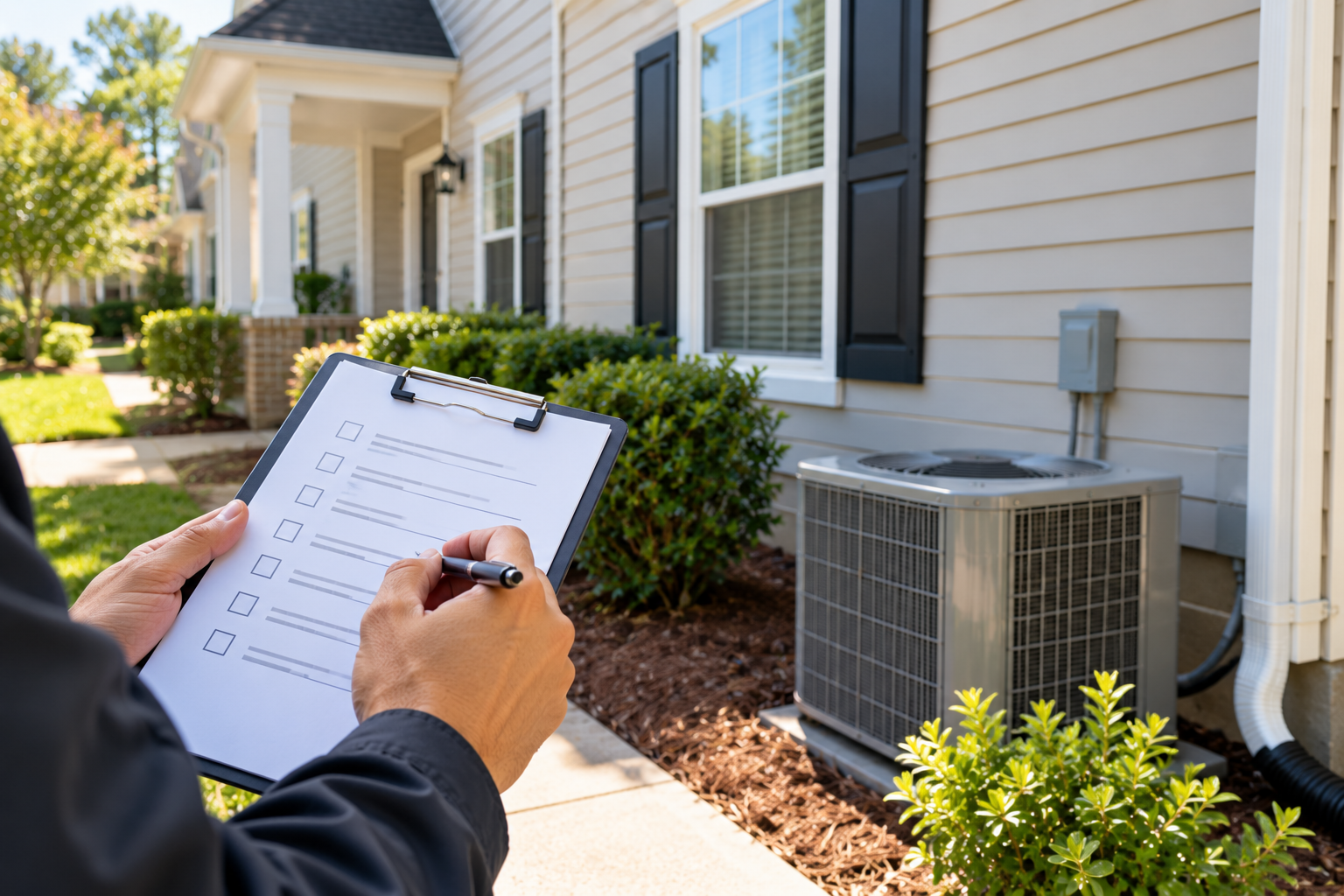
Virginia Landlords Still Have Maintenance Responsibilities
A property's low-maintenance design does not reduce a landlord's legal obligations. Under Virginia Code § 55.1-1220, landlords covered by the Virginia Residential Landlord and Tenant Act generally must comply with applicable building and housing codes affecting health and safety, make necessary repairs to keep rental premises fit and habitable, and maintain supplied electrical, plumbing, sanitary, heating, ventilating, air-conditioning, and other facilities and appliances in good and safe working order. The law also addresses moisture accumulation and visible mold conditions.
Virginia's building regulations provide another important layer of property maintenance requirements. The Virginia Department of Housing and Community Development explains that the Virginia Uniform Statewide Building Code applies not only to new construction but also to the maintenance, repair, renovation, and alteration of existing buildings.
For investors, the practical lesson is simple: reducing maintenance expenses should come from choosing durable, well-designed properties and performing preventive maintenance, not from postponing necessary repairs.
1. Simple Building Design Can Reduce Maintenance
Every additional feature on a property creates another potential maintenance responsibility. Homes with simple construction are often easier for contractors to inspect, diagnose, and repair. Investors should evaluate features such as:
Multiple rooflines
Dormers
Skylights
Chimneys
Large decks
Second-story balconies
Multiple HVAC systems
Crawlspaces
Basements
Exterior staircases
Detached structures
Extensive fencing
Multiple bathrooms
None of these features automatically makes a property a poor investment. They simply introduce additional components that can eventually need repair. A relatively simple three-bedroom home with one HVAC system, an uncomplicated roof, accessible plumbing, and modest exterior features may be easier to operate than a property with several specialized components.
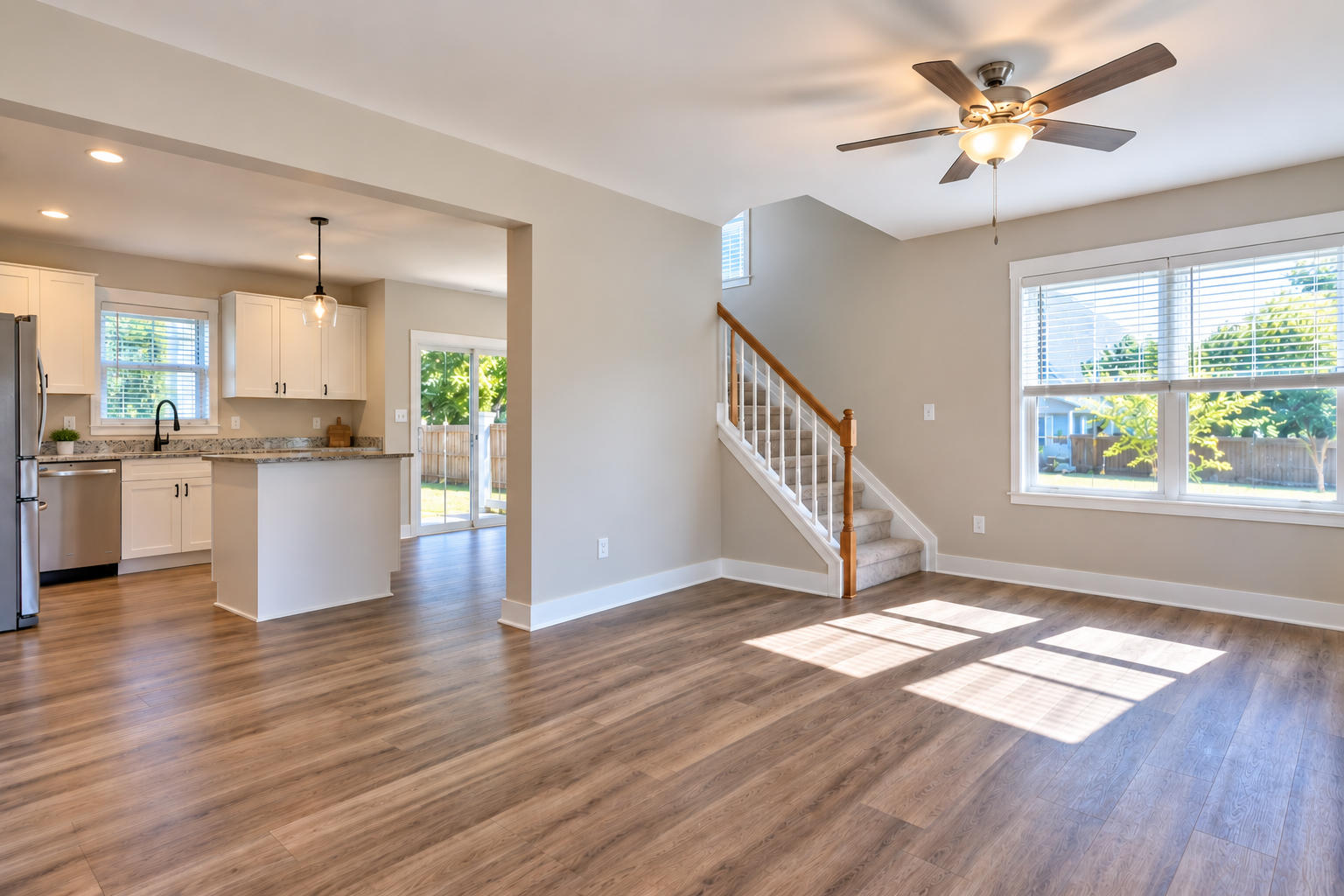
2. Durable Flooring Can Reduce Turnover Costs
Rental flooring must withstand furniture movement, frequent foot traffic, spills, cleaning, and repeated move-ins and move-outs. Choosing flooring for durability rather than appearance alone can help reduce turnover expenses.
Luxury Vinyl Plank
Quality luxury vinyl plank, commonly called LVP, is widely used in rentals because it is relatively easy to clean and is available in many price ranges. Depending on the installation method, damaged sections may sometimes be repaired without replacing an entire room.
Tile
Properly installed tile can perform well in bathrooms, kitchens, laundry areas, and entryways. However, landlords still need to monitor grout, cracked tiles, and moisture around transitions.
Hardwood
Hardwood can last for decades when properly maintained, although it may require refinishing and can be vulnerable to excessive moisture.
Carpet
Carpet may have a lower initial cost in some situations, but landlords should consider cleaning requirements, staining, wear, and potential replacement during turnovers. There is no single correct flooring choice for every rental. Investors should consider durability, replacement cost, moisture exposure, availability of matching materials, and expected tenant use.
3. Straightforward HVAC Systems Make Repairs Easier
Heating and cooling equipment can represent one of the largest ongoing maintenance expenses in a rental. Before purchasing a Virginia investment property, determine:
Age of the HVAC system
Type of heating and cooling system
Number of systems
Maintenance history
Condition of ductwork
Equipment accessibility
Filter location
Availability of replacement parts
Approximate replacement cost
A property with one commonly serviced HVAC system may be easier to maintain than a larger property containing several aging units. Preventive servicing can also identify smaller problems before they turn into emergency calls. Because Virginia landlords have obligations relating to supplied heating, ventilation, and air-conditioning equipment, HVAC condition should be part of every investor's due diligence process.
4. Accessible Plumbing Is a Major Advantage
Small plumbing problems can quickly become expensive when they are difficult to find or access. Investors should examine:
Supply piping
Drain lines
Main shutoff valve
Individual fixture shutoffs
Toilets
Faucets
Water heater
Dishwasher connections
Washing machine connections
Exterior hose connections
Crawlspace plumbing
Look for evidence of previous leaks, water staining, soft cabinetry, damaged flooring, excessive repairs, or moisture around plumbing fixtures.
The ideal low-maintenance rental allows a contractor to locate and repair plumbing problems without extensive demolition.
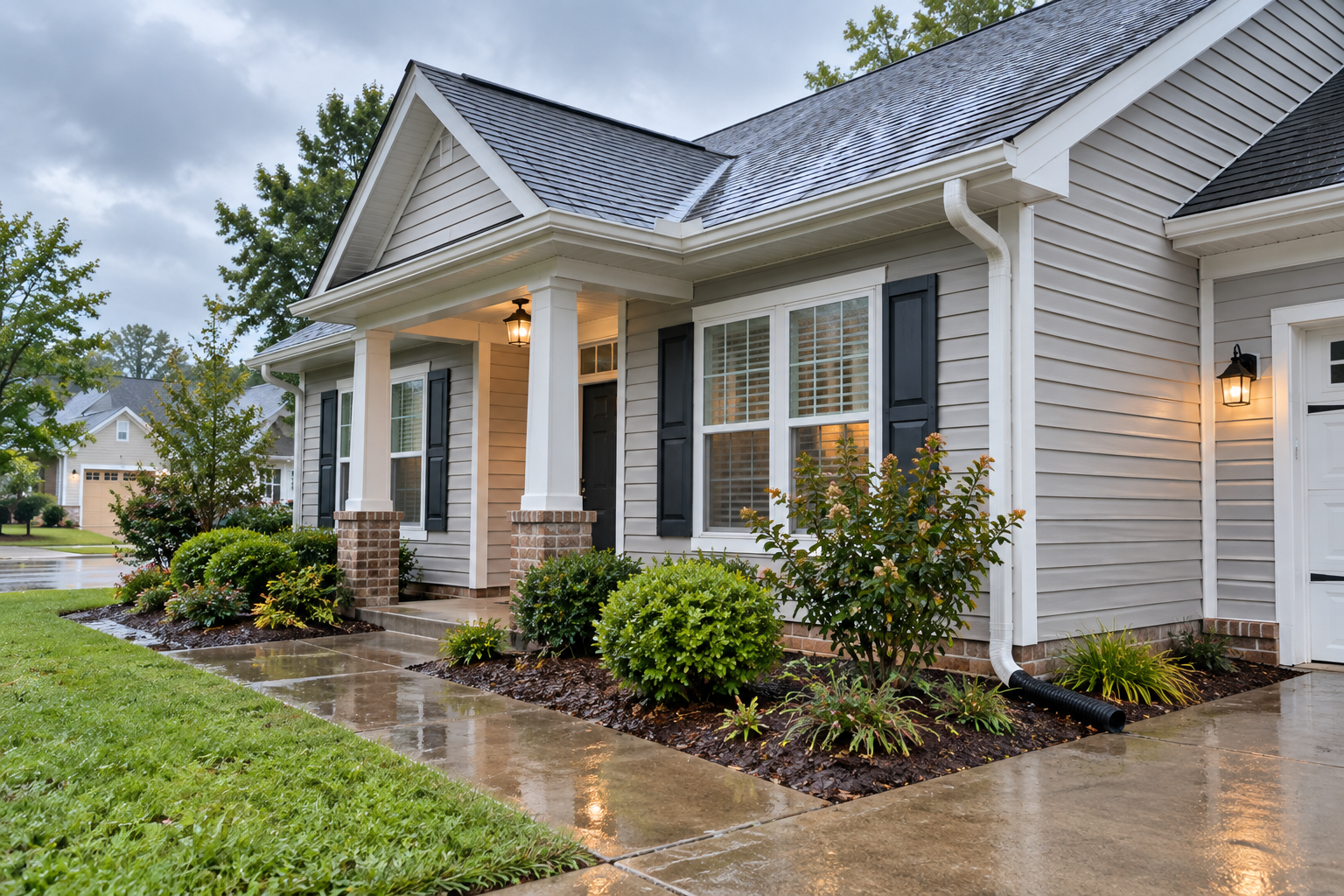
5. Good Moisture Management Matters in Virginia
Water is one of the biggest threats to long-term property condition. Virginia law specifically addresses moisture accumulation and mold in rental properties. In addition, Virginia Code § 55.1-1215 requires visible evidence of mold in readily accessible interior areas to be addressed as part of the move-in inspection process. When evaluating a property, look for:
Roof leaks
Plumbing leaks
Crawlspace moisture
Musty odors
Water stains
Poor bathroom ventilation
Clogged or damaged gutters
Downspouts draining beside the foundation
Standing water
Poor grading around the home
Previous moisture repairs
A property with good grading, functioning gutters, adequate ventilation, a sound roof, and effective drainage is generally easier to maintain than one with recurring water intrusion.
6. Exterior Materials Can Change the Maintenance Budget
Exterior maintenance is easy to underestimate when calculating rental-property expenses. Investors should inspect:
Roofing
Siding
Exterior trim
Windows
Doors
Gutters
Foundation
Porches
Decks
Fencing
Driveways
Walkways
Painted wood surfaces, large decks, extensive fencing, and ornate exterior details may require more frequent work than simpler materials and designs. Investors should not only ask whether an exterior feature is currently in good condition. They should ask what it will cost to maintain, repair, repaint, or replace over the next five to ten years.
7. Keep Landscaping Manageable
Attractive landscaping can help create curb appeal, but elaborate landscaping can also become an ongoing expense. Potentially maintenance-intensive features include:
Very large lawns
Extensive flower beds
Irrigation systems
Numerous hedges
Large mature trees close to structures
Decorative ponds
Large landscaped areas requiring seasonal care
Trees are particularly important to evaluate. Branches can interfere with roofs and gutters, while roots may affect pavement, drainage, sewer lines, or septic components. For many rentals, the ideal landscape is healthy, attractive, relatively simple, and easy for a landscaping company or tenant to maintain.
8. Focus on the Age of Major Systems, Not Just the Age of the House
A property's construction year does not tell an investor everything about future maintenance. An older property with professionally updated major components can sometimes be more predictable than a newer home where several original systems are approaching replacement. Document the approximate age and condition of:
Roof
HVAC system
Water heater
Electrical panel
Plumbing
Windows
Appliances
Sewer line
Septic system, if applicable
Investors should also request permits, invoices, warranties, and renovation records when available. A newly renovated appearance does not necessarily mean the property's underlying systems were replaced.
9. Older Homes May Require Additional Planning
Older homes can make excellent rentals, particularly in established Virginia neighborhoods, but investors should understand the maintenance and regulatory issues that may accompany them. Federal lead-based paint disclosure rules generally apply to most residential housing built before 1978.
The U.S. Environmental Protection Agency explains that landlords of covered housing must disclose known information about lead-based paint and lead-based paint hazards, provide available records and reports, and give renters federally required lead information before the lease is signed.
Renovation work that disturbs painted surfaces in applicable pre-1978 properties may also be subject to federal lead-safe renovation requirements. This does not mean older rental properties should automatically be avoided. It means investors should understand the additional compliance and renovation considerations before purchasing.
10. Understand Septic Systems Before Buying
Many Virginia properties outside densely developed areas use private onsite sewage systems. A functioning conventional septic system may provide decades of service, but it still requires inspection and maintenance. According to the Virginia Department of Health, an average household septic system should generally be inspected at least every three years by a septic professional, and household tanks are commonly pumped every three to five years depending on use and system conditions. Alternative onsite sewage systems may have more extensive operating, inspection, maintenance, and reporting requirements. Certain Virginia localities or properties within Chesapeake Bay Preservation Areas may also have additional requirements.
For an investor prioritizing simplicity, municipal sewer service may reduce some private-system responsibilities. However, municipal service does not eliminate responsibility for plumbing and applicable private service lines.
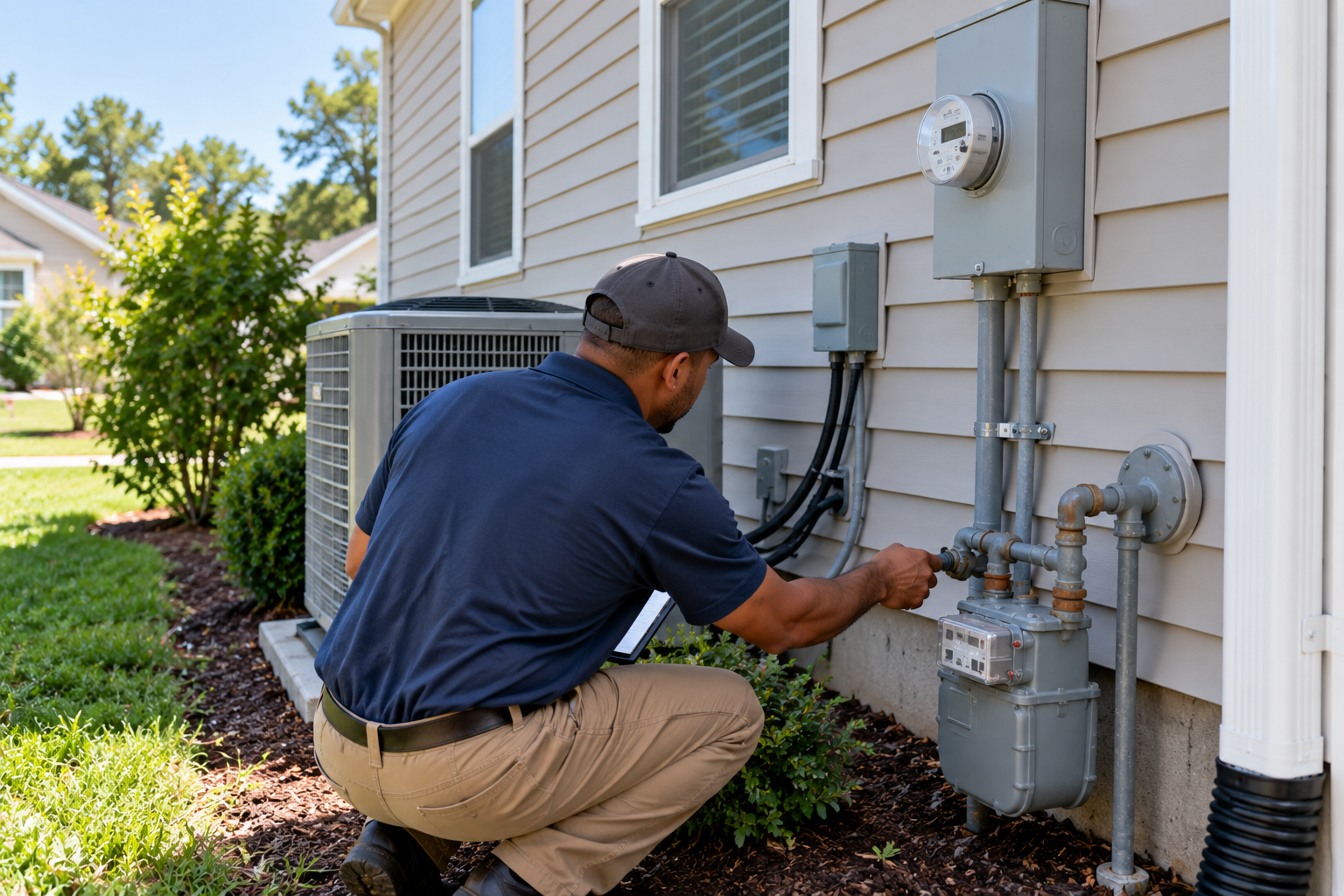
11. Evaluate Flood Risk Before Purchase
Flood exposure deserves special attention in Virginia, particularly in Coastal Virginia and Hampton Roads. Water exposure can create additional maintenance concerns involving:
Crawlspaces
HVAC equipment
Electrical systems
Flooring
Drywall
Foundations
Landscaping
Detached structures
Investors can use the official FEMA Flood Map Service Center to research current mapped flood hazards for a property. Flood maps should be one part of the investigation, not the entire analysis. Investors should also consider:
Previous water intrusion
Property elevation
Drainage
Nearby waterways
Stormwater infrastructure
Crawlspace conditions
Insurance availability and cost
A property that repeatedly experiences drainage or water intrusion problems can quickly become maintenance-intensive even if its interior initially looks renovated.
12. Consider How Many Appliances the Landlord Will Maintain
Every landlord-supplied appliance adds convenience for tenants but also creates another potential repair or replacement expense. Common appliances include:
Refrigerator
Range
Microwave
Dishwasher
Garbage disposal
Washer
Dryer
An investor should evaluate both market expectations and maintenance costs before determining which appliances to provide. When appliances are included, commonly available models with readily available parts may be easier to maintain than unusual, highly specialized, or overly complicated equipment.
13. Condos and HOAs Can Shift Maintenance Responsibilities
Condominiums and some homeowners associations may handle certain exterior maintenance responsibilities. Depending on the community, an association could maintain:
Landscaping
Common areas
Exterior siding
Roofing
Roads
Recreational amenities
Shared structures
That arrangement can reduce some direct maintenance work for an investor. However, the tradeoff may include monthly or quarterly association fees and the possibility of special assessments. Before purchasing, investors should review:
Association fees
Reserve funding
Special assessment history
Maintenance responsibilities
Insurance responsibilities
Rental restrictions
Parking rules
Exterior modification rules
A property is not automatically low maintenance simply because an HOA performs some of the work. Investors should compare the complete ownership cost.
14. Documentation Makes Rental Maintenance Easier
Good recordkeeping can make almost any rental easier to operate. Under Virginia Code § 55.1-1214, the landlord generally must submit a written report to the tenant within five days after occupancy itemizing damage existing at the time of occupancy. The statute also allows landlords to adopt certain written policies permitting tenants to prepare the report or allowing the report to be completed jointly. Beyond the legally required inspection process, landlords should consider maintaining records such as:
Move-in condition reports
Property photographs
Repair invoices
Contractor information
HVAC service history
Roof documentation
Appliance model and serial numbers
Warranty records
Paint information
Flooring product information
Maintenance schedules
These records can make future maintenance faster because contractors and property managers do not have to recreate the property's history every time a problem arises.
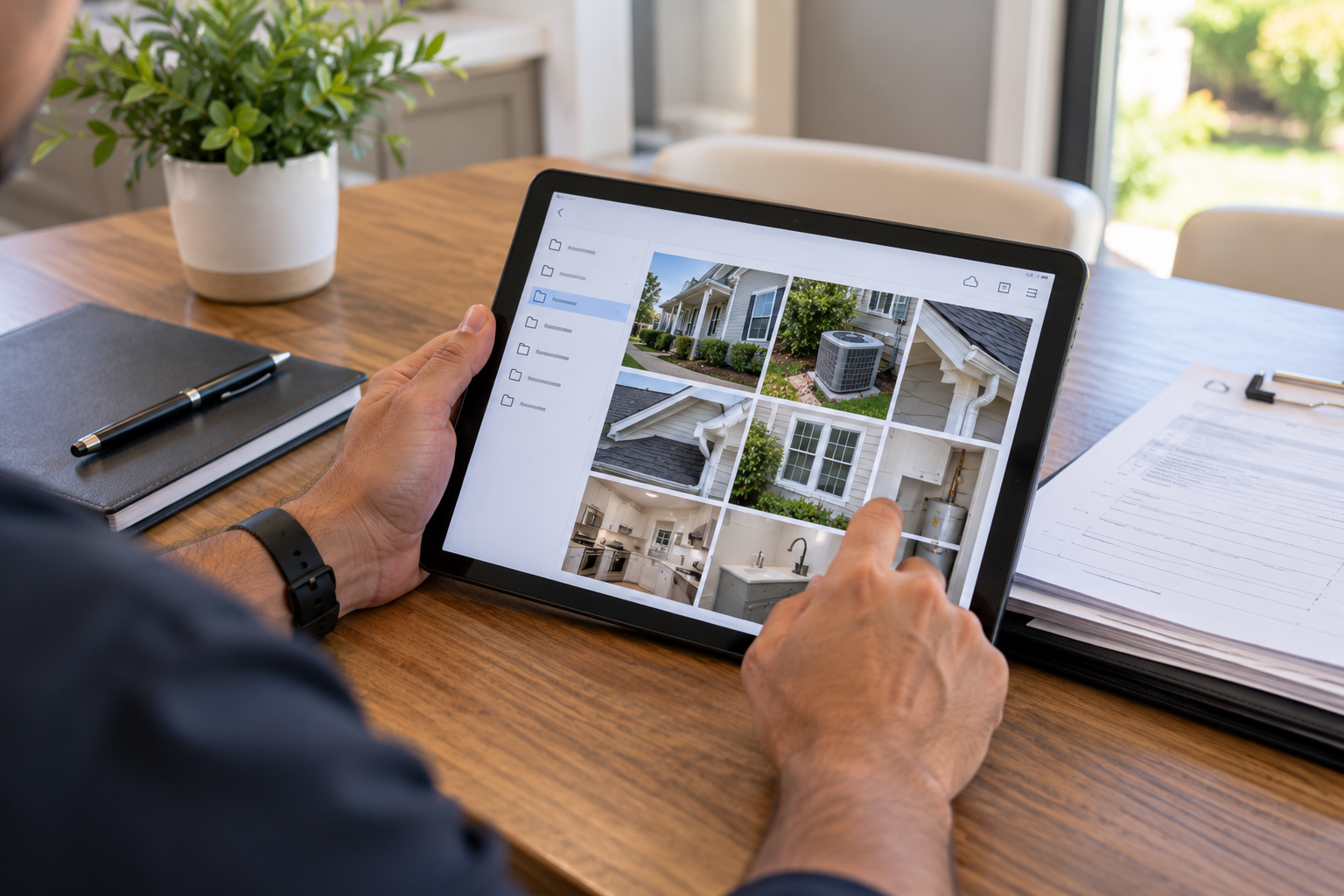
15. Look at the Property Through a Contractor's Eyes
During due diligence, investors often focus heavily on rent, financing, taxes, comparable sales, and expected appreciation. Maintenance deserves similar attention. Walk through the property and ask several practical questions.
How Easy Will This Property Be to Repair?
Can electricians, plumbers, HVAC technicians, roofers, and other contractors access the areas they need without major demolition?
Are Replacement Materials Easy to Find?
Custom windows, specialty fixtures, discontinued flooring, uncommon plumbing hardware, and unusual appliances can make repairs more complicated.
What Is Likely to Need Replacement Next?
A property may appear inexpensive to maintain today, but if the roof, HVAC system, water heater, appliances, and windows are all nearing replacement, substantial expenses could arrive within the same few years.
Can One Maintenance Problem Cause Another?
For example:
- Poor drainage can contribute to crawlspace moisture.
- A small roof leak can damage drywall and insulation.
- A leaking water supply line can damage flooring and cabinets.
- Deferred gutter maintenance can contribute to water collecting near the foundation.
Understanding how systems interact helps investors address underlying problems rather than repeatedly paying to repair symptoms.
A Low-Maintenance Rental Property Checklist
Before purchasing a Virginia rental, consider whether the property has:
A roof with reasonable remaining life
Reliable HVAC equipment
Accessible plumbing
Accessible shutoff valves
A properly functioning electrical system
Durable flooring
Simple interior finishes
Manageable landscaping
Effective gutters and drainage
Appropriate bathroom ventilation
No obvious signs of recurring moisture
Easily serviced appliances
Readily available replacement materials
Reasonable contractor access
Straightforward exterior construction
Documentation for recent major improvements
No significant backlog of deferred maintenance
No property needs to satisfy every item perfectly. The purpose of the checklist is to help determine whether maintenance requirements are reasonable compared with expected rental income, reserves, and the investor's long-term strategy.
Do Not Confuse Low Maintenance With Deferred Maintenance
One of the biggest mistakes investors can make is assuming a property is inexpensive to operate simply because nobody is currently repairing it. Deferred maintenance can include:
Aging roof materials
Plumbing leaks
Failed caulking
Old HVAC equipment
Damaged gutters
Moisture problems
Exterior deterioration
Failing windows
Questionable electrical work
Poor drainage
Rotting decks or trim
Those expenses may not appear on today's operating statement, but they still exist. Eventually, deferred repairs may become larger and more expensive problems. A genuinely low-maintenance rental is a property where components have been selected, installed, inspected, and maintained in ways that reduce unnecessary problems and make normal repairs manageable.
Final Takeaway
A low-maintenance rental is not a property where nothing ever breaks. It is a property where maintenance is predictable, accessible, durable, and financially manageable. Virginia rental investors should evaluate far more than a property's purchase price, projected rent, or cosmetic appearance. Look closely at the roof, HVAC system, plumbing, electrical components, flooring, moisture management, drainage, landscaping, appliances, exterior materials, flood exposure, and any onsite septic infrastructure.
Also consider what will happen several years after the purchase. A property with simple systems and durable materials may require occasional repairs while still being relatively easy to operate. A cosmetically renovated property with aging hidden systems may create substantially more work and expense. Virginia landlords also need to account for their legal responsibility to maintain fit and habitable rental housing. Preventive maintenance, accurate documentation, regular inspections, and realistic capital reserves are therefore part of a low-maintenance investment strategy rather than separate from it.
For long-term investors, the goal should not be finding a property that never needs attention. The goal is finding a rental where repairs are straightforward, major systems are reasonably predictable, water and moisture are properly controlled, materials can handle normal use, and the cost of maintaining the property remains sustainable over time.
That is what truly makes a rental “low maintenance.”