
Key Takeaways
Virginia landlords have continuing maintenance obligations. Landlords generally must comply with applicable health and safety codes, make necessary repairs, and keep supplied plumbing, electrical, heating, ventilation, air-conditioning, and other facilities in good and safe working order.
Smoke alarms require documented recurring attention. Virginia law requires landlords to provide tenants a certificate confirming that smoke alarms are present, inspected, and working no more than once every 12 months.
A good inspection should focus on more than tenant-caused damage. Plumbing leaks, moisture, drainage, HVAC performance, roofing, electrical concerns, appliances, windows, doors, and exterior deterioration should all be reviewed.
Tenant access rules still apply. Virginia landlords may enter for authorized inspections and maintenance, but generally must provide notice and enter at reasonable times, subject to emergencies and other statutory exceptions.
Documentation matters. Photos, inspection notes, repair orders, invoices, and follow-up records can help landlords monitor the property's condition and demonstrate consistent maintenance practices.
Why Annual Rental Property Inspections Matter in Virginia
Owning a rental property in Virginia involves more than collecting rent and responding when something breaks. Landlords have ongoing responsibilities to keep rental housing safe, habitable, and properly maintained, and regular inspections can play an important role in meeting those responsibilities. A thorough annual rental property inspection can help landlords find small maintenance problems before they become expensive repairs, document the condition of the property, identify possible health or safety concerns, plan future improvements, and maintain better records throughout the tenancy.
Virginia does not impose one universal law requiring every residential landlord to complete a comprehensive whole-property inspection exactly once each year. However, the Virginia Residential Landlord and Tenant Act, or VRLTA, requires landlords to maintain covered rental properties in a fit and habitable condition and comply with applicable building and housing codes that materially affect health and safety. Virginia law also has a specific recurring requirement for smoke alarms. Landlords must provide tenants with a certificate stating that all smoke alarms are present, have been inspected, and are in good working order no more than once every 12 months.
For landlords in Virginia Beach, Norfolk, Chesapeake, Portsmouth, Suffolk, Hampton, Newport News, and throughout Coastal Virginia, an annual inspection can therefore be a valuable preventive maintenance practice, even when each individual inspection item is not separately required by law every year. Many expensive rental property repairs begin as relatively minor problems.
A small supply-line leak can eventually damage cabinets and flooring. A blocked gutter can contribute to water intrusion. A weak bathroom exhaust fan may allow excessive moisture to accumulate. An aging HVAC system can continue operating even while showing warning signs of a future breakdown. If a landlord only visits the property when the tenant reports a major problem, opportunities for preventive maintenance may be missed.
Virginia law gives landlords several ongoing responsibilities. Under Virginia Code § 55.1-1220, landlords generally must comply with applicable building and housing codes materially affecting health and safety, make necessary repairs to keep the property fit and habitable, and maintain supplied electrical, plumbing, sanitary, heating, ventilation, air-conditioning, and other facilities and appliances in good and safe working order.
Landlords can review these obligations in the official Virginia Residential Landlord and Tenant Act. Virginia's Department of Housing and Community Development also maintains current Virginia landlord and tenant resources, including the Statement of Tenant Rights and Responsibilities effective July 1, 2026.

Before the Inspection: Review the Lease and Virginia Access Rules
Before scheduling a rental property inspection, review the lease. The rental agreement may contain provisions covering periodic inspections, maintenance visits, HVAC filter replacement, pest control, landscaping, or other responsibilities.
Virginia law provides that tenants generally may not unreasonably withhold consent when a landlord needs to enter the dwelling to inspect the premises, make necessary or agreed-upon repairs or improvements, supply services, or carry out certain other authorized activities.
However, landlords may not abuse their right of access or use entry to harass tenants. Except in emergencies or when providing notice is impractical, landlords must give tenants notice of their intent to enter and may enter only at reasonable times.
Do Virginia Landlords Have to Give 72 Hours' Notice?
The 72-hour rule is frequently misunderstood. Under Virginia Code § 55.1-1229, unless impractical, a landlord must provide at least 72 hours' notice for routine maintenance that the tenant did not request. That maintenance must generally occur within 14 days after the notice is delivered, and the notice must identify the last date on which the maintenance may occur. The statute does not simply say that every landlord entry or every inspection always requires exactly 72 hours' notice.
Landlords should therefore distinguish between routine maintenance, inspections, tenant-requested maintenance, emergencies, and other permitted entries rather than applying one notice rule to every situation. Review the current requirements in Virginia Code § 55.1-1229.
Create a Written Inspection Record
Use a standardized checklist instead of relying on memory. Record:
Property address
Date of inspection
Person performing the inspection
Date notice was provided
Rooms and exterior areas inspected
Condition observations
Photographs
Maintenance problems discovered
Repair priority
Vendor or contractor assigned
Repair completion date
Follow-up inspection date
Using a consistent format year after year also makes it easier to identify changes. A stain that did not exist during the previous inspection deserves attention. A crack that has noticeably increased in size may require professional evaluation. Repeated moisture in the same area may indicate that an earlier repair did not correct the source of the problem.
1. Inspect the Roof and Exterior
Begin outside whenever possible. Exterior maintenance problems can eventually affect the structure and interior of a rental home.
Roof
From a safe location, look for:
Missing or damaged shingles
Lifted roofing materials
Sagging areas
Damaged flashing
Tree branches contacting the roof
Deterioration around roof penetrations
Visible signs of previous water intrusion
Do not climb onto a roof unless properly trained and equipped. When something appears questionable, have an appropriate roofing professional inspect it.
Gutters and Downspouts
Check that gutters appear secure and are not obviously clogged or damaged. Downspouts should move water away from the structure rather than releasing large amounts of water immediately next to the foundation.
For Hampton Roads properties, drainage deserves particular attention because recurring rainfall and coastal weather can expose weaknesses around foundations, crawl spaces, landscaping, and exterior walls.
Siding and Exterior Trim
Look for:
Damaged siding
Rotted wood
Peeling finishes
Missing trim
Openings around utility penetrations
Failed exterior caulking
Areas where water may enter

2. Check Foundation and Drainage Conditions
Walk around the property's perimeter. Look for:
Significant cracks
Soil erosion
Standing water
Water collecting beside the foundation
Damaged crawl-space vents
Openings that could allow pest entry
Downspouts terminating against the structure
Landscaping directing water toward the building
Not every crack indicates a serious structural defect. However, significant or changing cracks, settlement, or movement should be evaluated by an appropriately qualified professional.
3. Inspect Plumbing and Look for Leaks
Water damage can become expensive quickly. Inspect accessible areas around:
Kitchen sinks
Bathroom vanities
Toilets
Tubs
Showers
Washing machine connections
Water heaters
Supply lines
Visible drain piping
Ceilings beneath bathrooms or plumbing fixtures
Look for staining, swollen cabinetry, peeling finishes, corrosion, damp materials, musty odors, or active dripping. Virginia landlords generally must maintain supplied plumbing and sanitary facilities in good and safe working order under § 55.1-1220.
4. Inspect for Moisture and Visible Mold
Moisture should receive special attention during rental property inspections. Check:
Bathrooms
Kitchens
Laundry rooms
Window frames
Ceilings
Exterior-facing walls
Basements
Accessible crawl spaces
Areas around HVAC equipment
Areas beneath plumbing fixtures
Virginia law specifically addresses moisture and mold in rental properties, and the VRLTA includes mold disclosure requirements as part of the move-in inspection process.
Under Virginia Code § 55.1-1215, landlords must disclose whether there is visible evidence of mold in readily accessible interior areas as part of the written move-in inspection report. The statute also establishes procedures when visible mold is found. Landlords can review the current requirements in Virginia Code § 55.1-1215.
During an annual inspection, do not simply cover recurring staining with new paint. Determine why moisture is present. Possible causes include:
Plumbing leaks
Roof leaks
Poor exterior drainage
Failed caulking
Condensation
Inadequate ventilation
HVAC condensate problems
Water intrusion around windows or doors
5. Review the HVAC System
Heating and air-conditioning systems can represent a significant maintenance expense, making them an important part of an annual property review. Check:
Heating operation
Cooling operation when seasonally appropriate
Thermostat
HVAC filter
Supply vents
Return vents
Exterior condenser
Visible refrigerant line condition
Condensate drain
Drain pan
Unusual noises
Signs of water around indoor equipment
Under Virginia law, landlords generally have responsibility for keeping heating, ventilation, air-conditioning, and other landlord-supplied facilities in good and safe working order. The inspection itself does not replace professional HVAC service when servicing is needed.
6. Inspect Bathroom and Kitchen Ventilation
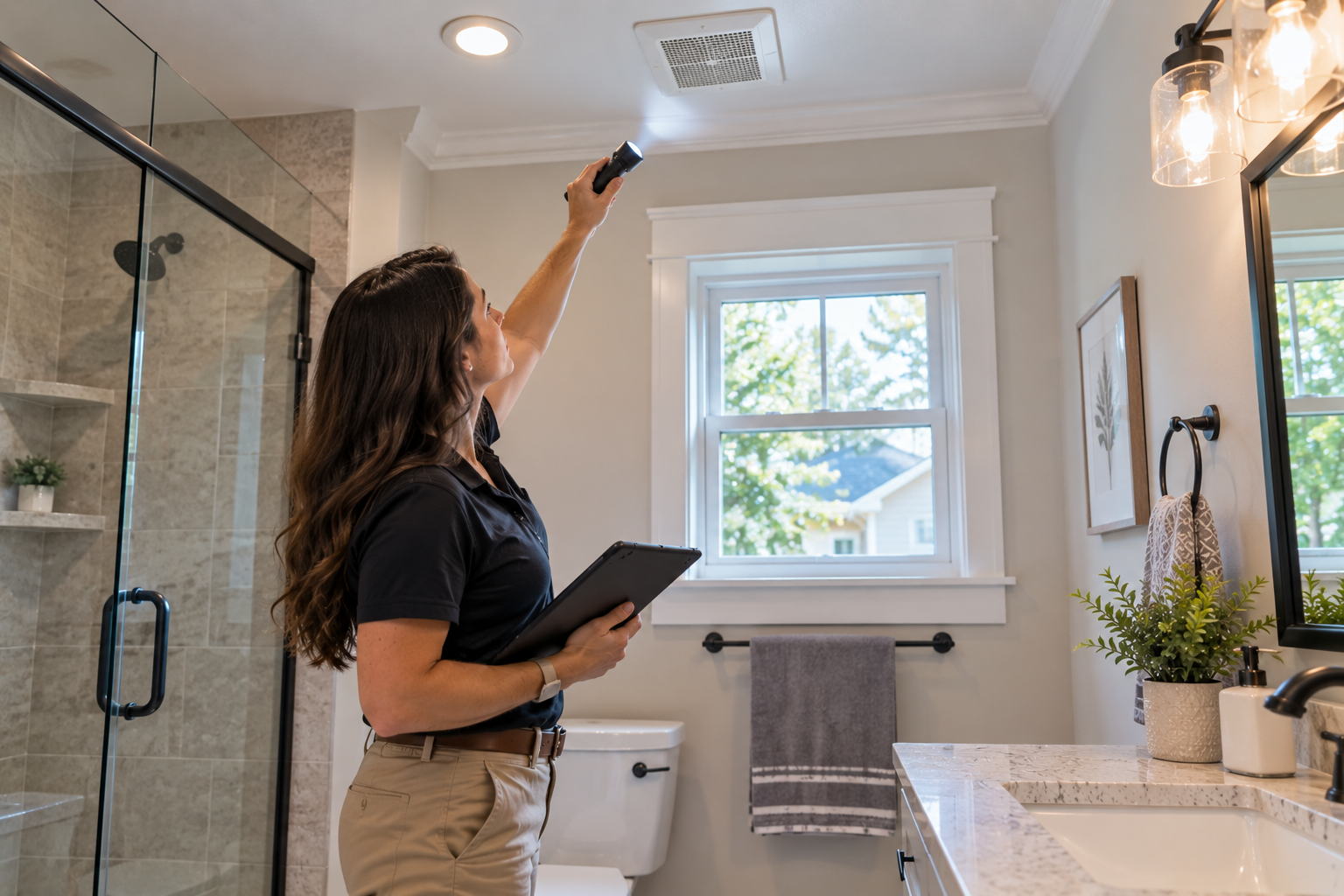
Ventilation can have a major effect on moisture control. Check whether bathroom exhaust fans operate and whether kitchen ventilation equipment appears functional. Watch for moisture staining, peeling paint, persistent condensation, or mildew-like conditions around bathrooms and kitchens. If the fan operates but appears ineffective, additional evaluation may be appropriate.
7. Test and Document Smoke Alarms
Smoke alarms deserve their own section because Virginia law establishes a specific recurring responsibility. Virginia Code § 55.1-1220 requires landlords to provide the tenant with a certificate stating that all smoke alarms are present, have been inspected, and are in good working order no more than once every 12 months.
The inspection may be performed by the landlord, an employee, or an independent contractor. During this process:
Confirm required alarms are present
Test their operation
Look for physical damage
Check for missing or disabled devices
Follow manufacturer guidance regarding alarm replacement
Record the inspection date
Complete the required certification
Virginia DHCD also provides landlord resources relating to smoke alarms through its Tenant and Landlord Resources page. Do not assume every home requires the exact same alarm configuration. Requirements can depend on the building's age, design, renovations, and applicable codes.
8. Check Carbon Monoxide Alarm Requirements
Carbon monoxide alarms should also be reviewed. Under Virginia Code § 55.1-1229, if a tenant makes a written request for a carbon monoxide alarm, the landlord generally must install one in the dwelling unit within 90 days and may charge a reasonable fee to recover the cost of equipment and labor. Installation must comply with the Virginia Uniform Statewide Building Code. Other code requirements may independently apply depending on the property's construction and equipment. Pay particular attention when a property contains features such as fuel-burning appliances, fireplaces, or attached garages.
9. Inspect Electrical Components
A visual electrical review can identify obvious conditions needing professional attention. Look for:
Broken outlets
Loose outlet covers
Damaged switches
Scorching or discoloration
Exposed wiring
Damaged fixtures
Unsecured electrical components
Reports of frequent breaker trips
Missing panel covers
Do not perform electrical repairs unless qualified to do so. Virginia's Uniform Statewide Building Code governs construction, maintenance, repairs, renovations, and changes in use, with enforcement generally handled by local building departments. Landlords can review the Virginia Uniform Statewide Building Code for additional information.
10. Inspect the Water Heater
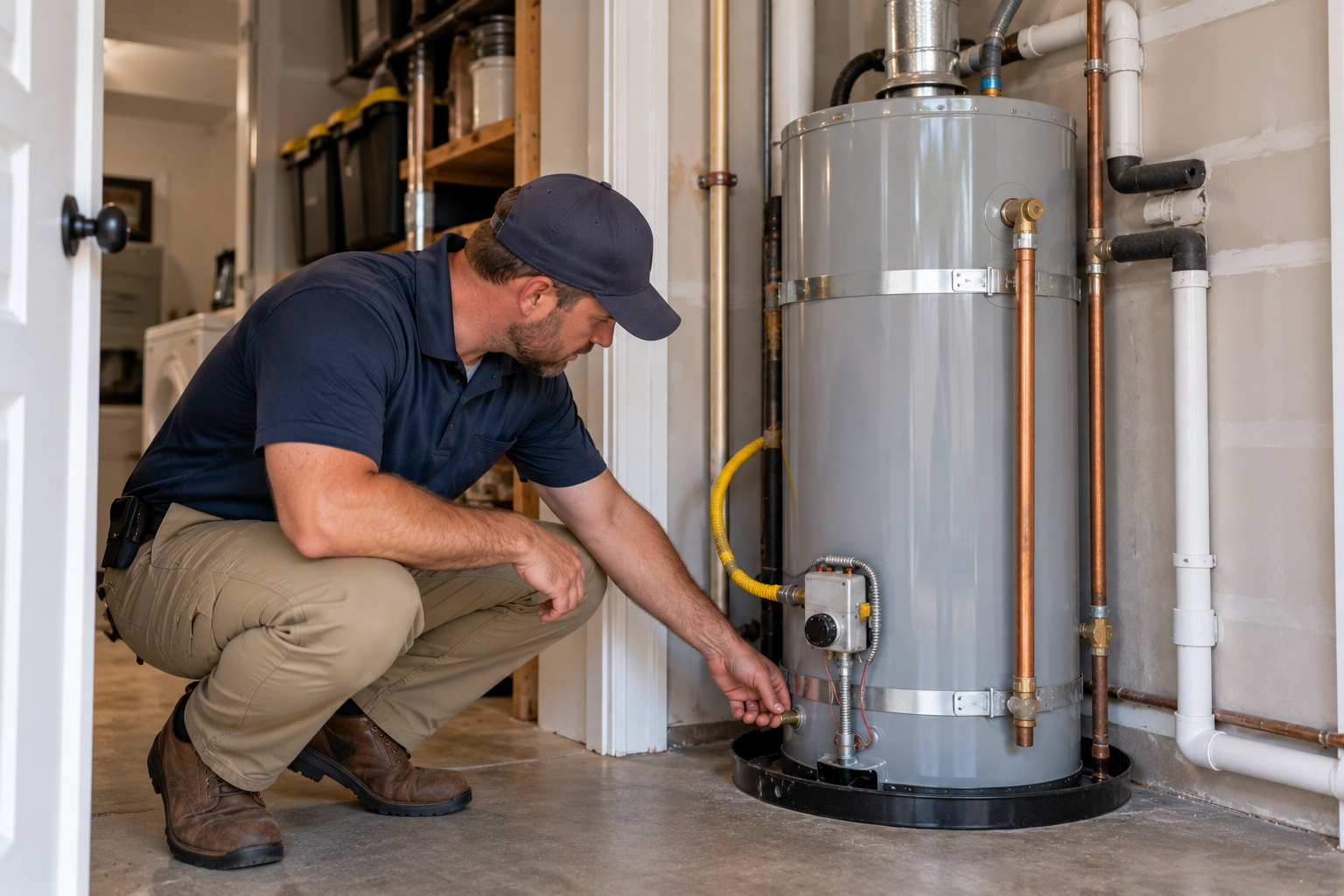
Check the water heater and surrounding area for:
Leaks
Rust
Corrosion
Water staining
Damaged connections
Moisture around the base
Unusual sounds reported by the tenant
Visible deterioration
Requirements may differ depending on whether the system is electric, gas, tank-style, tankless, or otherwise configured. A qualified plumber or appropriate contractor should evaluate questionable conditions.
11. Check Windows, Doors, and Locks
Inspect the basic operation and condition of accessible windows and doors. Look for:
Broken glass
Damaged locks
Loose hardware
Deteriorated frames
Rot
Water staining
Failed weatherstripping
Doors that do not close properly
Windows that are difficult to operate
Exterior openings play an important role in security, water resistance, weather protection, and energy performance.
12. Inspect Landlord-Supplied Appliances
If appliances are provided with the rental property, inspect their visible condition and basic function. This may include:
Refrigerator
Range
Oven
Dishwasher
Built-in microwave
Washer
Dryer
Garbage disposal
Look for:
Leaks
Damaged cords
Loose connections
Unusual noise
Damaged seals
Missing components
Excessive movement
Signs of overheating or deterioration
Keep records of the approximate age of major appliances when possible. This can make future replacement planning much easier.
13. Look for Pest Activity
Inspect common pest-prone locations, including:
Beneath sinks
Pantry areas
Utility rooms
Behind appliances when safely accessible
Garages
Basements
Crawl-space entrances
Exterior utility penetrations
Look for insects, droppings, nesting materials, damaged materials, or possible entry points. Do not automatically assume that every pest problem is the tenant's responsibility. Virginia law assigns duties to landlords and tenants depending on the facts and circumstances. Determining who is responsible can depend on the cause of the infestation, property condition, tenant conduct, lease provisions, and applicable law.
14. Inspect Walls, Ceilings, and Floors
Walk through each accessible room. Look for:
Ceiling stains
New drywall cracks
Water-damaged baseboards
Loose flooring
Soft flooring
Trip hazards
Significant wall damage
Evidence of ongoing leaks
Changes from earlier inspection photographs
An annual inspection should not become an evaluation of a tenant's decorating preferences or ordinary housekeeping. The focus should remain on property condition, safety, maintenance, and legitimate lease-compliance concerns.
15. Check Stairs, Decks, Porches, and Railings
Outdoor structures can deteriorate gradually due to moisture, weather, and normal use. Inspect:
Stair treads
Handrails
Guardrails
Porch flooring
Deck boards
Supports
Visible fasteners
Balcony surfaces
Look for excessive movement, decay, damaged boards, corrosion, or loose railings. Any potential structural condition should be evaluated by an appropriate professional.
16. Review Trees, Landscaping, and Exterior Maintenance
Landscaping can affect drainage, roofing, siding, and mechanical equipment. Look for:
Branches touching the roof
Vegetation against siding
Overgrown plants around HVAC equipment
Tree limbs over structures
Soil erosion
Blocked drainage paths
Trip hazards
Roots affecting walkways
For Coastal Virginia rentals, checking trees and drainage after significant storms can also be a useful addition to the normal inspection schedule.
17. Give Extra Attention to Pre-1978 Rental Properties
Older properties can have additional compliance considerations. Federal lead-based paint disclosure rules generally apply to most residential housing built before 1978. Before a covered lease is signed, landlords must provide required lead hazard information, disclose known lead-based paint and hazards, and provide available records or reports.
Landlords can review the current EPA Lead-Based Paint Disclosure Rule. During inspections of older homes, watch for deteriorated painted surfaces such as:
Peeling paint
Chipping paint
Cracked paint
Damaged painted trim
Paint deterioration around windows and doors
Avoid disturbing potentially lead-containing paint without following applicable federal renovation and lead-safe requirements.
18. Ask Tenants About Problems They Have Not Reported
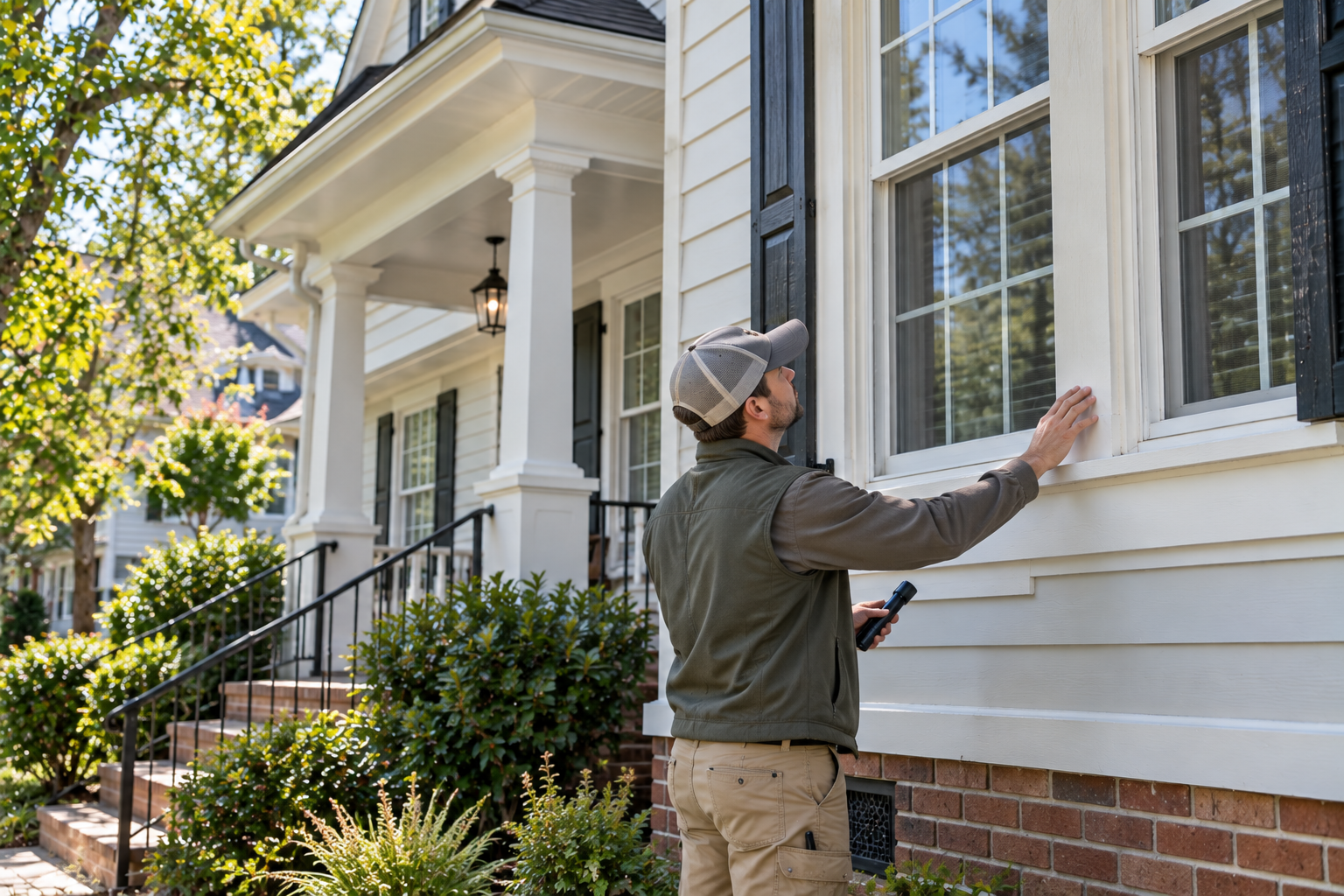
Tenants experience the home every day and may notice conditions that are not immediately visible during an inspection. Ask whether they have noticed:
Plumbing leaks
Slow drains
Unusual HVAC noises
Heating or cooling problems
Water intrusion
Roof leaks
Pest activity
Electrical problems
Appliance issues
Doors or windows becoming difficult to operate
Recurring moisture
Some residents adapt to minor problems without realizing they should submit a maintenance request. A simple conversation during the inspection may uncover an issue before it becomes serious.
19. Compare the Property With Previous Records
One of the biggest advantages of recurring inspections is the ability to compare conditions over time. Review:
Move-in inspection documentation
Previous annual inspection photos
Prior repair records
Maintenance requests
Contractor invoices
HVAC service history
Roof repair records
Appliance replacement dates
Previous moisture problems
This helps distinguish ordinary aging from conditions that are changing rapidly.
20. Prioritize Repairs After the Inspection
Not every finding has the same urgency. A practical approach is to separate findings into three categories.
Immediate Health, Safety, or Habitability Concerns
These may include significant electrical hazards, essential utility failures, active water intrusion, major plumbing problems, serious structural concerns, or other conditions affecting health or safety. These conditions should receive immediate attention consistent with applicable law and the circumstances.
Preventive Maintenance
Examples can include:
Small plumbing leaks
Deteriorating caulk
Damaged weatherstripping
Gutter cleaning
Minor exterior deterioration
HVAC servicing
Drainage adjustments
Correcting these conditions early can reduce the chance of larger repairs.
Future Capital Improvements
Some components may still function properly but be approaching replacement. Examples include:
Aging roof
Older HVAC system
Water heater
Worn flooring
Aging appliances
Exterior finishes
Older decks or fencing
A long-term replacement plan helps landlords budget instead of being surprised by several major expenses at once.
Annual Rental Property Inspection Checklist
Use this condensed checklist during your next inspection.
Exterior
Roof
Gutters
Downspouts
Siding
Exterior trim
Foundation
Drainage
Walkways
Steps
Decks
Porches
Trees
Landscaping
Exterior HVAC equipment
Interior
Walls
Ceilings
Flooring
Doors
Windows
Locks
Stairs
Railings
Signs of leaks
Moisture
Visible mold
Pest activity
Plumbing
Toilets
Faucets
Sinks
Tub and shower areas
Visible piping
Laundry connections
Water heater
Drainage
Electrical and Safety
Accessible outlets
Switches
Fixtures
Visible electrical concerns
Smoke alarms
Carbon monoxide alarm requirements
Stairs and railings
HVAC and Ventilation
Heating
Air conditioning
Thermostat
HVAC filter
Supply vents
Return vents
Condensate drainage
Bathroom fans
Kitchen ventilation
Appliances
Refrigerator
Range
Oven
Dishwasher
Microwave
Washer
Dryer
Garbage disposal
Documentation
Inspection date
Property photographs
Maintenance notes
Smoke alarm certification
Work orders
Contractor invoices
Repair completion dates
Follow-up inspections

How Often Should Virginia Landlords Inspect Rental Properties in 2026?
Virginia law does not establish a universal rule requiring every landlord to perform a comprehensive rental inspection exactly once per year. For many rental properties, however, a thorough inspection approximately once each year can be a practical preventive-maintenance schedule. Additional inspections may make sense after:
Significant storms
Water leaks
Major repairs
Reports of moisture
Pest problems
Insurance requests
Significant maintenance complaints
Other legitimate property concerns
Landlords still need to follow Virginia's access requirements when entering an occupied rental property. The recurring smoke alarm requirement is different. Virginia law specifically requires landlords to provide a certificate confirming that smoke alarms are present, inspected, and working no more than once every 12 months.
Why Annual Inspections Can Save Virginia Landlords Money
The primary financial value of inspections comes from early detection. Finding a minor pipe leak may prevent cabinet and flooring damage. Cleaning or repairing drainage components may reduce water intrusion. Finding deteriorating exterior sealant may prevent moisture from reaching framing or drywall. Identifying an aging HVAC component can give the owner time to plan for replacement instead of dealing with an unexpected system failure. Inspections also provide valuable information for long-term budgeting.
A landlord who knows the approximate condition and age of the roof, HVAC system, water heater, flooring, and major appliances can build a realistic maintenance reserve and capital improvement plan. For owners with several rental properties, consistent inspection procedures become even more valuable because they create comparable records across the portfolio.
Final Takeaway
A rental property annual inspection can be one of the most useful preventive maintenance practices for Virginia landlords in 2026. Virginia does not require every residential landlord to complete one universal comprehensive annual inspection. Instead, landlords have continuing obligations to keep covered rental properties fit and habitable, comply with applicable health and safety codes, and maintain important building systems and landlord-supplied facilities. Virginia law also specifically requires landlords to certify that smoke alarms are present, have been inspected, and are working no more than once every 12 months.
A thorough inspection should go beyond looking for tenant damage. Review the roof, gutters, drainage, plumbing, HVAC system, electrical components, smoke alarms, carbon monoxide requirements, appliances, windows, doors, moisture-prone areas, decks, landscaping, and other important parts of the property.
Just as importantly, document what you find. Photographs, written inspection reports, work orders, invoices, and follow-up records can help landlords understand how a property is changing over time and provide a clearer maintenance history.
For landlords in Virginia Beach, Chesapeake, Norfolk, Portsmouth, Suffolk, Hampton, Newport News, and throughout Hampton Roads, consistent inspections can help reduce unexpected repairs, protect the property's long-term condition, improve maintenance planning, and support better communication with tenants. The most effective approach is to treat inspections as part of an ongoing property management system rather than a once-a-year formality. Find problems early, document them clearly, prioritize necessary repairs, and follow through until the work is complete.
This article provides general educational information based on Virginia law and official resources available in 2026. It is not legal advice. Laws and local code requirements can change, and landlords should review current state and local requirements or consult a qualified Virginia attorney or local building official regarding a specific property or legal situation.