
Key Takeaways
Coastal Virginia landlords should prioritize moisture control, drainage, HVAC maintenance, roofing, crawlspaces, and storm preparation because of the region's humid and coastal climate.
Virginia landlords are generally required to keep rental premises fit and habitable and maintain landlord-supplied electrical, plumbing, heating, ventilation, air-conditioning, and other facilities and appliances in good and safe working order.
Preventive inspections can help identify leaks, drainage problems, HVAC issues, moisture, pest activity, exterior deterioration, and safety concerns before they become more expensive.
A seasonal maintenance calendar makes recurring property care easier to schedule, document, and budget.
Landlords should maintain organized records of inspections, repairs, contractor work, equipment service, tenant reports, and major replacements for each property.
Managing a rental property in Coastal Virginia requires more than responding when something breaks. The region's humidity, frequent rainfall, tropical weather, coastal flooding risks, hot summers, and seasonal temperature changes can put additional pressure on roofs, HVAC systems, crawlspaces, drainage systems, plumbing, and exterior materials.
For landlords in Virginia Beach, Norfolk, Chesapeake, Portsmouth, Suffolk, Hampton, Newport News, and surrounding Hampton Roads communities, preventive maintenance can help protect the property's condition, control long-term repair costs, and reduce the risk that small problems develop into larger ones. A good maintenance plan should combine regular inspections, seasonal servicing, storm preparation, tenant communication, documentation, and long-term budgeting. It should also reflect current Virginia landlord responsibilities.
Why Coastal Virginia Rental Homes Need a Maintenance Plan
Every rental property requires upkeep, but location influences which maintenance issues deserve the most attention. Coastal Virginia experiences humid summers, thunderstorms, periods of heavy rainfall, strong coastal weather systems, and tropical storms. The Virginia Department of Emergency Management notes that hurricanes and tropical systems can bring heavy rain, high winds, flooding, and storm surge to coastal communities.
Atlantic hurricane season runs from June 1 through November 30, with peak activity generally occurring between mid-August and late October. Landlords can review current preparedness information through the Virginia Department of Emergency Management hurricane resource. These conditions make water management especially important. Roofs, gutters, foundations, crawlspaces, exterior seals, HVAC condensate systems, grading, and drainage should not be ignored until a tenant reports visible damage. Preventive maintenance creates opportunities to find problems while they are still manageable.

Understand Virginia Landlord Maintenance Responsibilities
A maintenance plan should start with the landlord's legal responsibilities. Under Virginia Code § 55.1-1220, landlords must comply with applicable building and housing codes that materially affect health and safety and make necessary repairs to keep rental premises fit and habitable. The statute also requires landlords to maintain landlord-supplied electrical, plumbing, sanitary, heating, ventilating, air-conditioning, and other facilities and appliances in good and safe working order.
Virginia law specifically addresses moisture and mold as well. A landlord must maintain the premises in a condition intended to prevent moisture accumulation and mold growth and must promptly respond to qualifying tenant notices regarding moisture accumulation or visible mold. The law also requires landlords to provide a certificate stating that smoke alarms are present, inspected, and in good working order no more than once every 12 months.
Virginia landlords should periodically review the Virginia Department of Housing and Community Development Tenant and Landlord Resources. The department's current resources include the Statement of Tenant Rights and Responsibilities as of July 1, 2026. Local code requirements, property characteristics, lease terms, and specific circumstances can create additional obligations, so landlords should obtain professional legal or technical guidance when necessary.
Make Preventive Maintenance the Default
Reactive maintenance begins when a component fails. Preventive maintenance attempts to identify the condition that could cause the failure beforehand. For example, instead of waiting for water to appear on a ceiling, a landlord can inspect roofing, flashing, gutters, attic areas, and visible signs of moisture periodically.
Instead of waiting for an HVAC system to stop cooling during a July heat wave, the system can receive professional preseason maintenance. A preventive plan does not guarantee that equipment will never fail. Appliances wear out, pipes can break, and severe weather can damage well-maintained properties. The goal is to reduce preventable damage, discover developing problems earlier, and make maintenance spending more predictable.
Prioritize Moisture Control
Moisture should be one of the highest priorities in a Coastal Virginia rental maintenance program. Potential moisture sources include:
Plumbing leaks
Roof leaks
Poor exterior drainage
High indoor humidity
Bathroom condensation
HVAC condensate problems
Window or door leaks
Crawlspace moisture
Water intrusion following storms
The U.S. Environmental Protection Agency recommends keeping indoor relative humidity below 60 percent when possible, ideally between 30 and 50 percent. It also recommends drying wet or damp materials within approximately 24 to 48 hours after a leak or spill when practical. Landlords can review additional guidance in the EPA's Guide to Mold, Moisture and Your Home.
Find the Source of Moisture
Repairing cosmetic damage without correcting the source can allow the problem to return. A ceiling stain might come from a roof leak, plumbing line, or HVAC equipment. Water around an air handler could indicate a condensate drainage problem. Discoloration around a bathroom may be connected to plumbing, ventilation, condensation, or failed caulking. Standing water near a foundation may indicate grading or drainage problems. When moisture is discovered, focus first on identifying and correcting the source.
Inspect Roofs, Gutters, and the Building Exterior
The exterior building envelope protects the rental from rain, wind, and outdoor moisture. Landlords should periodically inspect accessible exterior areas and arrange professional evaluations where needed. Look for issues involving:
Missing or visibly damaged shingles
Roof flashing
Roof penetrations
Gutters and downspouts
Fascia and soffits
Siding
Exterior trim
Caulking and sealants
Windows
Exterior doors
Porches
Decks
Railings
Stairs
Foundation areas
Virginia Cooperative Extension explains that bulk moisture can enter buildings through holes, cracks, gaps, poor flashing, inadequate drainage, and deteriorated weather sealing. Its resource on moisture in Virginia homes provides useful background on how water and water vapor can move through a building. Small exterior deficiencies can become significant if repeated rainfall allows water into wall, roof, or floor assemblies.
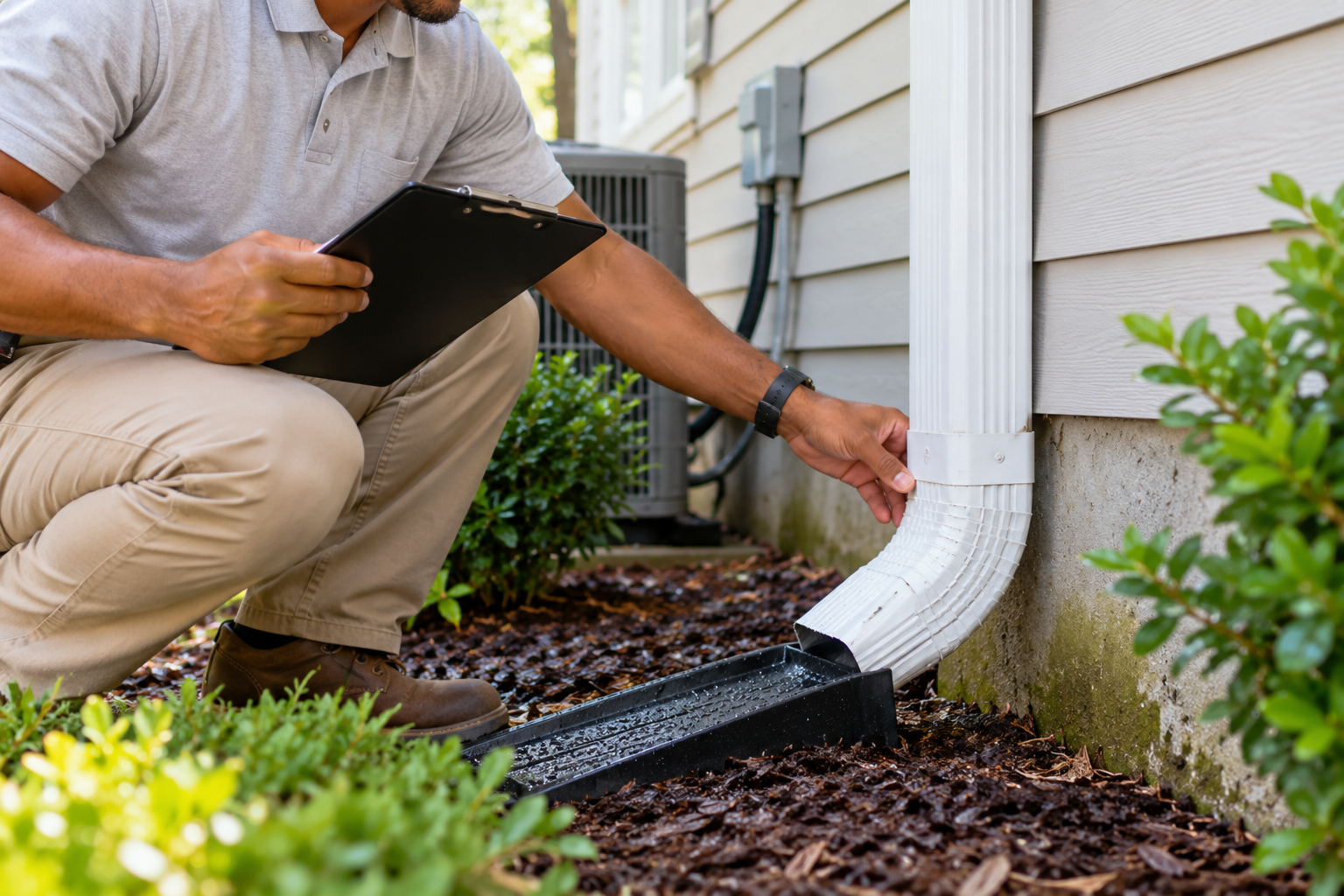
Keep Gutters and Drainage Working Properly
Roof maintenance and drainage maintenance should be considered together. The purpose of gutters and downspouts is not simply to collect rain. Water also needs to be moved to an appropriate location away from vulnerable parts of the structure. During property inspections, check for:
Gutters filled with leaves or debris
Disconnected or damaged downspouts
Erosion near the foundation
Soil settlement
Standing water
Blocked yard drains
Water collecting near crawlspace openings
Landscaping that interferes with drainage
Downspouts discharging in problematic locations
When practical, inspecting drainage conditions after a normal period of heavy rainfall can reveal problems that are difficult to see during dry weather. The EPA's moisture prevention guidance also emphasizes controlling water around buildings and correcting moisture sources.

Put HVAC Maintenance on a Schedule
HVAC systems work particularly hard during hot and humid Coastal Virginia summers. Air-conditioning equipment does more than cool indoor air. Proper system operation also contributes to indoor moisture control.
ENERGY STAR recommends annual preseason professional HVAC checkups, with cooling equipment typically checked in spring and heating equipment in fall. Its recommendations include inspecting condensate drains because blocked drains can contribute to water damage and humidity problems.
Review the ENERGY STAR HVAC Maintenance Checklist when creating an HVAC service schedule. Depending on the equipment, professional maintenance may include checking:
Thermostat operation
Electrical connections
Airflow
Coils
Condensate drains
Refrigeration components
Heating components
System controls
Overall operating condition
Air filters also need regular attention. The lease and move-in information should clearly explain who is responsible for changing filters. When that responsibility falls to the tenant, landlords can provide the correct filter size and reasonable replacement instructions.
Check Plumbing Before Small Leaks Become Large Repairs
A small leak can affect cabinets, drywall, flooring, framing, insulation, and rooms beneath the source. Periodic inspection should include visible plumbing around:
Toilets
Bathroom sinks
Kitchen sinks
Tubs
Showers
Water heaters
Dishwashers
Washing machine connections
Refrigerators with water supply lines
Utility areas
Watch for corrosion, staining, loose fixtures, damaged caulking, water marks, soft flooring, abnormal moisture, or slow leaks. Tenants should also know how to report active leaks immediately instead of waiting for the next routine inspection. A leaking supply line or overflowing fixture can create significant damage in a short period of time.
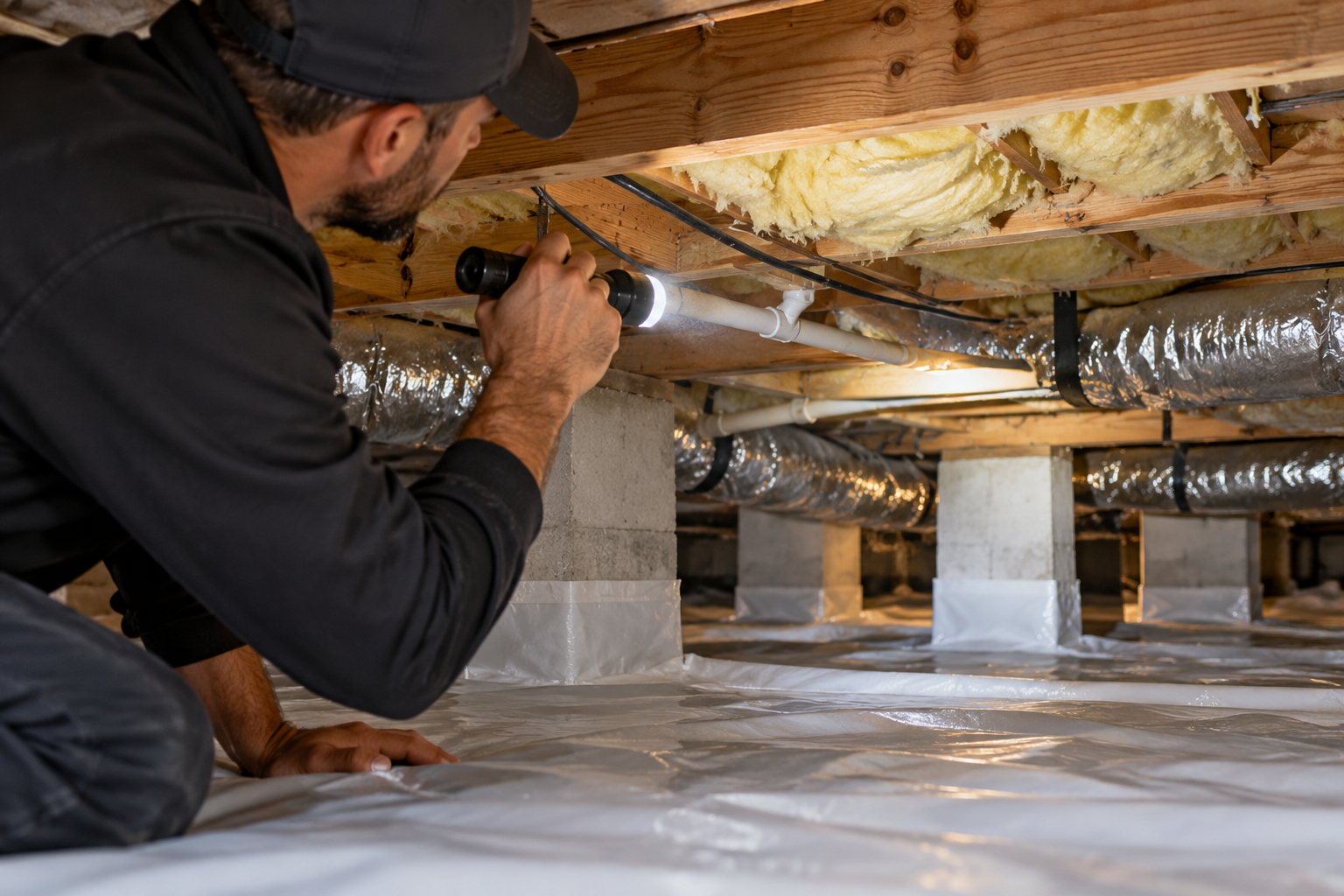
Include Crawlspaces in the Maintenance Plan
Many homes throughout Coastal Virginia have crawlspace foundations. Because crawlspaces are usually out of sight, problems can develop unnoticed. Depending on the home's construction and accessibility, inspections may look for:
Standing water
Plumbing leaks
Damaged vapor barriers
Persistent dampness
Wood deterioration
Wet insulation
Pest activity
Condensation
Unusual odors
Drainage problems
Virginia Cooperative Extension provides additional information on preventing moisture problems in Virginia buildings. Significant structural deterioration, mold conditions, electrical problems, or persistent water intrusion should be evaluated by qualified professionals rather than addressed as a simple cosmetic repair.
Monitor for Termites and Other Pests
Wood-destroying insects are another reason to pay attention to moisture and foundations. Virginia Cooperative Extension notes that subterranean termites normally live in the soil and can enter structures through foundation areas, cracks, utility penetrations, and other concealed pathways. Because their activity is often hidden, damage may not immediately be visible. Landlords can review Virginia Tech's guide to Signs of Subterranean Termite Infestation.
A property's inspection needs will vary according to construction, age, prior pest history, moisture conditions, and professional recommendations. Landlords should also avoid allowing conditions around the building to make inspection or moisture management unnecessarily difficult.
Prepare Before Hurricane Season
Storm preparation should take place before a storm is approaching. Spring and early summer are good times to review the exterior condition of Coastal Virginia rentals. Consider inspecting:
Roof condition
Gutters and downspouts
Trees and damaged limbs
Fences
Exterior fixtures
Sheds
Windows and doors
Drainage
Sump pumps, if present
Items that could become windborne
Landlords should also keep contractor and insurance information organized and establish a way to communicate with tenants before and after major weather events.
Understand the Property's Flood Exposure
Properties in or near flood-prone areas deserve additional planning. The federal government's FEMA Flood Map Service Center allows property owners to research official flood hazard information. A landlord should also understand the property's insurance coverage rather than assuming a standard property policy covers every type of flood or storm-related loss. Flood maps are one part of risk assessment. Site drainage, building elevation, past water intrusion, surrounding development, and the property's physical condition can also matter.

Use a Seasonal Maintenance Calendar
Breaking maintenance into seasons makes recurring work easier to manage.
Spring
Consider:
Cooling system service
Roof inspection
Gutter cleaning
Downspout inspection
Exterior caulking review
Drainage evaluation
Crawlspace inspection
Pest evaluation
Deck and railing inspection
Landscaping cleanup
Hurricane-season preparation
Summer
Focus on:
Air-conditioning performance
Condensate drainage
Indoor humidity
Plumbing leaks
Exterior vegetation
Gutters and drainage after storms
Tenant-reported moisture concerns
Storm damage
Fall
Prepare for cooler weather by reviewing:
Heating equipment
Roof condition
Gutters
Downspouts
Exterior seals
Weatherstripping
Trees and branches
Smoke alarms
Drainage
Outdoor plumbing components
Winter
Monitor:
Heating performance
Plumbing susceptible to freezing
Roof leaks after storms
Water heater operation
Interior condensation
Exterior storm damage
Moisture around windows and doors
The schedule should be adjusted based on each property's age, construction, equipment, previous repairs, and location.
Conduct Routine Inspections in Compliance With Virginia Law
Routine inspections can reveal conditions tenants may not recognize as maintenance concerns. Virginia landlords must still follow the state's rules governing access. Under Virginia Code § 55.1-1229, tenants generally may not unreasonably withhold consent for a landlord to enter for legitimate purposes such as inspections and necessary repairs.
Except in emergencies or when providing notice is impractical, a landlord must give notice of the intent to enter and may enter only at reasonable times. For routine maintenance not requested by the tenant, the statute generally requires at least 72 hours' notice unless providing that notice is impractical.
The statute also states that such routine maintenance must be performed within 14 days after delivery of the notice, and the notice must identify the last date on which the maintenance may be performed. If the tenant requests maintenance, the statute says the landlord is not required to provide that routine-maintenance notice.
What to Review During Routine Inspections
A property-specific checklist may include:
Walls and ceilings for water staining
Plumbing fixtures and visible supply lines
Water heater area
HVAC system and filter
Visible electrical concerns
Smoke alarms
Windows and doors
Bathroom ventilation
Appliances supplied by the landlord
Flooring
Crawlspace or basement
Exterior siding and trim
Roof condition from safe viewpoints
Gutters and drainage
Decks, stairs, and railings
Pest indicators
Signs of moisture or leakage
Keep dated records and photographs when appropriate.
Have an Emergency Maintenance Process
Preventive maintenance cannot eliminate every emergency. Landlords still need a response process for situations such as:
Major plumbing leaks
Sewer backups
Significant electrical problems
Loss of required heating
Major roof leaks
Flooding
Severe storm damage
Serious HVAC failures
Fire or smoke damage
Potentially unsafe structural conditions
Tenants should know how to report urgent maintenance concerns and how to contact management outside regular business hours when necessary. Owners who use contractors should maintain a primary and backup vendor list. After widespread Hampton Roads weather events, roofing companies, plumbers, HVAC contractors, electricians, restoration companies, and tree services may experience unusually high demand. Established maintenance systems can help landlords respond more efficiently when multiple properties are affected at the same time.
Document Maintenance and Repairs
Every rental property should have an organized maintenance history. Useful documentation can include:
Inspection dates
Inspection photographs
Tenant maintenance reports
Work orders
Contractor invoices
Repair receipts
HVAC service records
Roof work
Plumbing repairs
Appliance replacements
Pest treatment
Moisture or mold documentation
Insurance claims
Manufacturer warranties
Installation dates
Equipment model and serial numbers
Good documentation can reveal patterns. Repeated repairs in the same area may indicate that the root cause has not been resolved. Multiple HVAC condensate backups may indicate that the service schedule needs adjustment. Repeated water intrusion near the same window may point to an exterior envelope problem rather than an interior paint issue. Maintenance records should help landlords make better decisions, not simply serve as stored paperwork.

Budget for Future Replacements
A maintenance budget should include more than everyday repairs. Major building systems eventually require replacement. Depending on the property, long-term planning may include:
Roofing
HVAC systems
Water heaters
Appliances
Flooring
Exterior finishes
Windows
Decks and porches
Plumbing components
For each major component, consider recording its approximate age, current condition, previous repairs, warranty information, and anticipated replacement needs. The goal is not to predict the exact date something will fail. The goal is to reduce the chance that a predictable capital expense becomes a financial surprise.
Make Tenant Communication Part of the Maintenance Strategy
Tenants spend more time inside the rental property than the owner or property manager, so they can play an important role in early problem detection. At move-in, provide clear instructions for reporting conditions such as:
Plumbing leaks
Roof leaks
HVAC problems
Electrical concerns
Drain or sewer backups
Visible mold
Moisture accumulation
Pest activity
Damaged windows or exterior doors
Smoke alarm problems
Storm damage
Virginia law also assigns maintenance-related responsibilities to tenants. Under Virginia Code § 55.1-1227, tenants have responsibilities that include keeping occupied areas reasonably clean and safe, using facilities and appliances reasonably, promptly reporting insects or pests, using reasonable efforts to prevent moisture accumulation and mold growth, and promptly notifying the landlord of moisture accumulation or visible mold. Clear expectations on both sides can help maintenance issues reach the landlord earlier.
Create a Repeatable System for Every Rental
Landlords with several properties can benefit from standardizing maintenance. Instead of managing each home differently, create consistent systems for:
Seasonal inspections
HVAC servicing
Property inspection checklists
Tenant maintenance requests
Emergency response
Vendor management
Repair documentation
Storm preparation
Replacement planning
Then customize the plan for each property. A waterfront-area home, older crawlspace property, newer condominium, and suburban single-family rental may have very different maintenance priorities. The system should be consistent, but the property-specific maintenance plan should reflect the building itself.
Final Takeaway
Maintenance planning for a Coastal Virginia rental home should begin before something breaks. Virginia landlords have legal responsibilities to maintain rental properties in fit and habitable condition, while Coastal Virginia's humid climate, heavy rainfall, tropical weather, and coastal environment create additional reasons to pay close attention to moisture, drainage, HVAC systems, roofing, crawlspaces, and exterior maintenance.
A strong preventive maintenance strategy combines seasonal inspections, scheduled servicing, storm preparation, tenant communication, reliable contractors, organized documentation, and long-term replacement planning. Not every repair can be prevented. The purpose of maintenance planning is to catch manageable issues sooner, reduce avoidable property damage, protect the long-term condition of the rental, and make ownership expenses more predictable.
For Coastal Virginia landlords who do not want to coordinate inspections, contractors, tenant maintenance requests, emergency calls, and recurring property care on their own, professional property management can provide a more structured approach to keeping rental homes maintained throughout the year.